
No-dig repair, Rowlett TX
Relining a Failing Sewer Line? Trenchless Pipe Lining in Rowlett, TX and When It Will Not Work
Trenchless lining repairs a damaged pipe from the inside. A resin-saturated liner goes in through existing access, cures against the old pipe wall, and leaves a new pipe inside the old one.
It is genuinely good when conditions suit it and genuinely wrong when they do not. This page covers both, because the second half is the part most sales pages leave out.
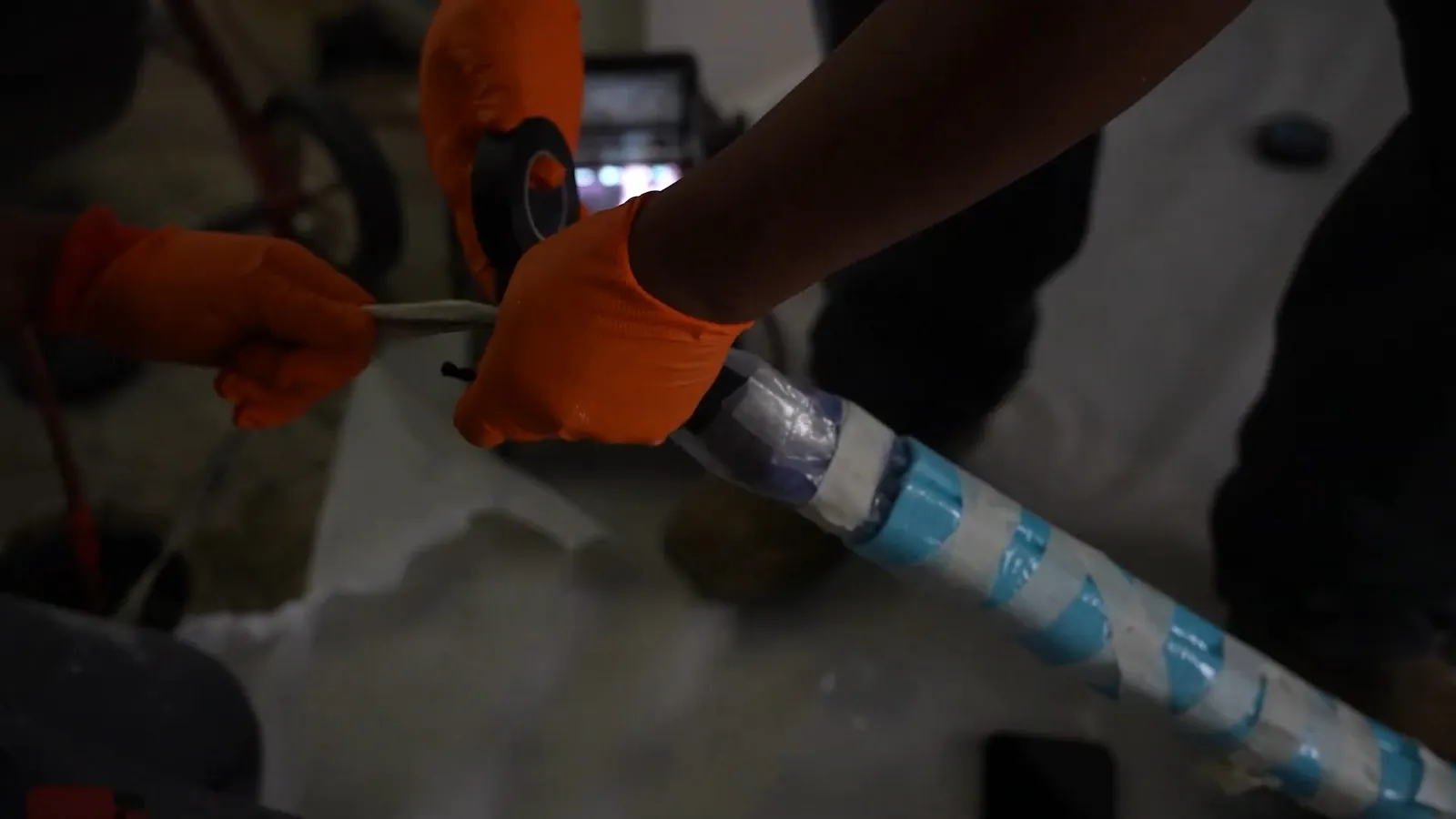
What lining actually does to the pipe
A felt or fibreglass liner is saturated with epoxy resin, pulled or inverted into the damaged section through an existing cleanout, then inflated so it presses against the host pipe while it cures.
What you end up with is a jointless pipe inside the old one. The joints are where most laterals fail here, so removing them is the substantive benefit rather than just avoiding the digging.
The new bore is slightly smaller than the old one. On a domestic lateral that reduction is rarely significant, and the smoother surface often offsets it.
Trenchless against open-trench, honestly
Neither one wins every time. These are the real trade-offs rather than the sales version.
| Trenchless lining | Open-trench repair | |
|---|---|---|
| Surface disruption | Access points only | A trench along the run |
| Typical duration | Often one day | Longer, plus reinstating the surface |
| Works on a collapsed pipe | No | Yes, this is where it wins |
| Works where grade is lost | No, it follows the old fall | Yes, grade can be corrected |
| Landscaping and driveways | Largely untouched | Reinstatement is part of the cost |
| Cost profile | Higher per foot, less reinstatement | Lower per foot, more reinstatement |
That fourth row is the one that decides most jobs in Rowlett. Clay movement here tends to take the fall out of a run, and a liner follows whatever fall it is given.
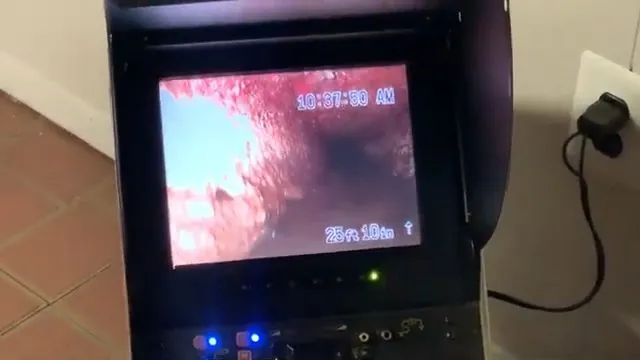
Ask what the camera showed before agreeing to any method.
How a lining job runs
- Camera the line end to end and confirm the host pipe is intact enough to line against.
- Clean the line mechanically, usually by jetting, so the liner bonds to pipe wall rather than to debris.
- Measure the run and cut the liner to length. A liner is made for that pipe, not pulled off a shelf.
- Saturate the liner with resin and invert or pull it into position through the access point.
- Inflate and cure. Ambient, hot water or steam depending on the product and the conditions.
- Reinstate any branch connections, then camera the finished line and show you the result.
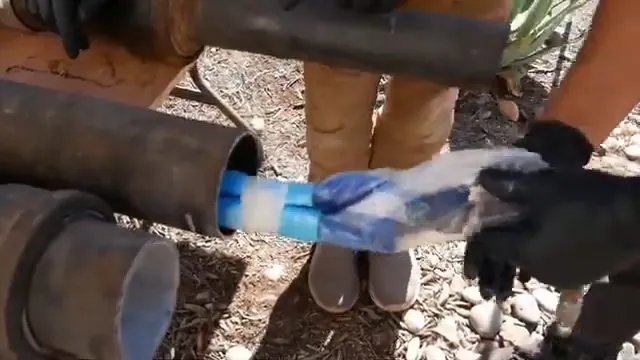
Trenchless methods compared: which one suits which sewer problem
Trenchless is a family of methods rather than one product.
Full-length CIPP lining
A continuous liner through the whole run. The right answer when faults are distributed along the lateral rather than concentrated at one point.
Sectional or spot liner
A short liner over one defect. Less expensive and less disruptive than lining the whole run, and appropriate when the camera shows one cracked section with sound pipe either side.
Pipe bursting
Not lining at all. A bursting head is pulled through the old pipe, fracturing it outward while drawing new pipe in behind. This is the option when the existing pipe is too far gone to line against, and it can upsize the diameter.
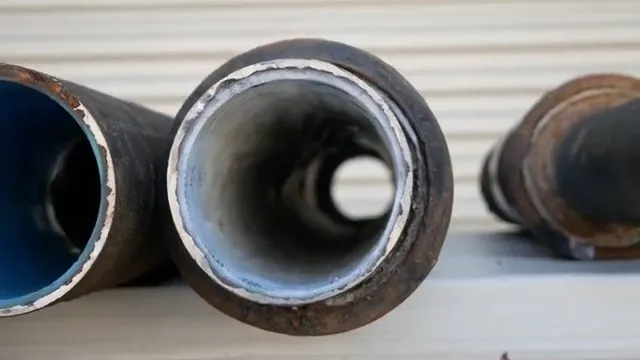
When lining is the wrong answer
A collapsed pipe cannot be lined. There has to be a host pipe for the liner to cure against, and if a section has fallen in there is nothing to line.
A run that has lost its fall cannot be fixed by lining either. The liner takes the shape of the pipe it is in, so a section sitting too flat to drain will still sit too flat afterwards. Given what Blackland Prairie clay does to buried runs here, that is a real consideration rather than a theoretical one.
Heavy offset at a joint, where one length has shifted sideways relative to the next, is the third case. Past a certain offset the liner cannot bridge it cleanly.
If the camera shows any of those three, we will tell you lining is not the answer rather than selling you one that fails.
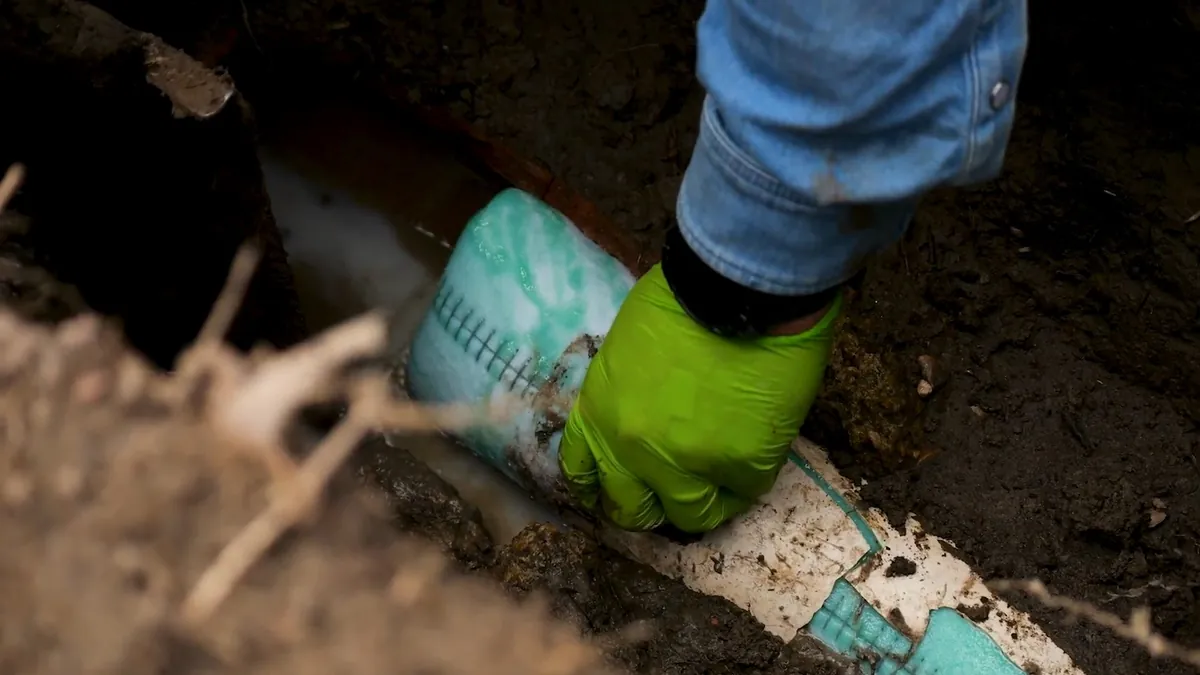
Why no-dig matters more on some Rowlett properties
The value of avoiding a trench depends entirely on what is over the line. A lateral running under lawn is one thing; one running under a driveway, a patio or mature planting is another.
On the lake side of the city, where lots are often deeper and the run to the connection is longer, the reinstatement cost of an open trench is the part that moves the total rather than the pipework itself.
What lining costs here
| Work | Range | What moves it |
|---|---|---|
| Trenchless sewer pipe lining (CIPP) | $3,500 to $8,500 | How many feet get lined, the diameter being lined, and what condition the host pipe is in |
| Hydro jetting before lining | $450 to $950 | Footage, and whether the line is holding roots or grease |
These and the rest sit on the Rowlett cost table. Nothing can be priced before the camera has been down the line, because nobody can quote a liner for a pipe nobody has looked at.
Questions about no-dig repair
Is lining more expensive than digging?
Per foot of pipe, usually yes. Once you add reinstating a driveway, a patio or a mature garden, often no.
The honest comparison is the total for the finished result, not the pipe line item. Both bands are on the job cost guide.
How long does a lined pipe last?
Manufacturers generally quote around fifty years for CIPP liners, and the jointless result removes the failure point that takes out most laterals here.
We are quoting the product literature rather than our own field data, and saying so, because this portfolio does not publish numbers it cannot stand behind.
Does this need a permit, and a licensed plumber?
Sewer work is licensed work in Texas, administered through the Texas State Board of Plumbing Examiners, and lateral work commonly needs a permit.
Lining is unusual in that the evidence of the work is the camera record rather than an open trench, so the before and after footage is what gets handed over and is worth keeping with the house papers.
Can you line a pipe under my house?
Sometimes, depending on access and what the camera shows. A drain line under a slab is a different proposition from a lateral in open ground.
For supply lines under a slab the equivalent move is an overhead reroute, which is covered on slab leak service.
How disruptive is it really?
Access points, a work vehicle, and equipment running for the day. No trench along the run and usually no reinstatement afterwards.
You will normally be asked not to use water in the house for a stretch while the liner cures, and we will tell you how long before the day starts.
Lost fall or a collapsed section? Lining is not the answer, and we will say so.
Driveway or mature planting over the line? That is where no-dig earns its money.
Related work on this site
This page covers the method. The line itself, including camera inspection and excavated repair, is sewer line work. Where the damaged run is a supply line under the slab rather than a drain, slab leak fixing work covers the overhead reroute, which is the supply-side equivalent of avoiding excavation. A blockage with a sound pipe around it is drain cleaning work.
Wondering if your line can be lined?
It depends on what the camera shows. Ring and we will tell you what would need to be true, and what the inspection involves.