
Drains, Rowlett TX
Slow Drain or Standing Water? Drain Cleaning in Rowlett, TX and the Cause Behind It
Most people ring after they have already tried. A plunger, a bottle of something caustic, maybe a hand auger from the hardware shop, and the water still sits there.
The useful question at that point is not how to clear it harder. It is whether this is one blocked fixture or the first sign of something further down the line, because those are different jobs with different prices.
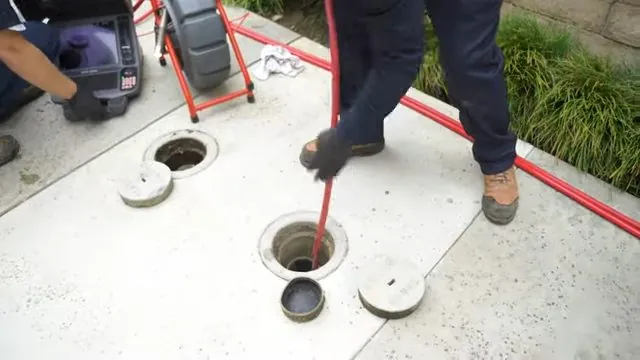
One slow drain or several? That answer changes the job
Work down this table before you call. It is the single most useful thing you can tell us.
| What you are seeing | What it usually means | Where it goes |
|---|---|---|
| One fixture slow, others fine | A blockage in that fixture's own branch line | Cable the branch, usually a short job |
| Two fixtures in one room affected | The shared branch serving that room | Cable from the nearest cleanout |
| Toilet gurgles when the bath drains | Air being pulled through the trap, further down | Camera the main before cabling |
| Lowest fixture in the house backs up first | The main line, not a branch | Main line, see sewer line repair |
| Everything slow and it smells | Main line or vent problem | Camera first, do not cable blind |
| Clears, then returns within weeks | Pipe wall coating or a structural fault | Camera, then jetting or repair |
Not sure which row you are on? Describe it and we will tell you.
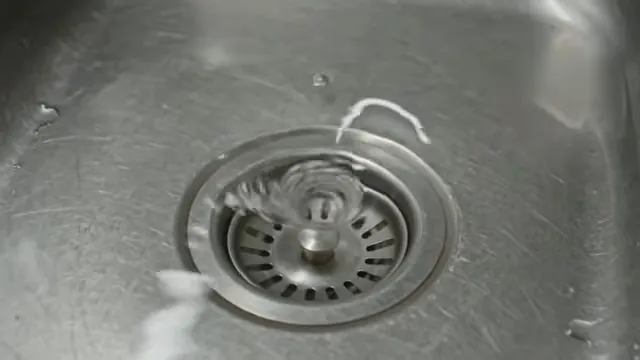
Kitchen, bath and laundry clogs
Three different causes that get treated as one problem.
Kitchen lines
Grease is the usual culprit, and it does not go away when hot water is run through it. It cools further along the pipe and narrows the bore from the wall inward.
A kitchen line that clears easily and blocks again in a month has a coated pipe wall rather than an obstruction, and cabling it again will buy another month.
Bath and shower lines
Hair and soap residue binding together at the trap or the first bend. Usually the easiest to clear properly and the most often made worse by caustic drain products, which turn a soft blockage into a hardened one.
Laundry lines
Lint, detergent residue and a line that frequently takes a large volume of water very quickly. A washer discharge that backs up at the standpipe is often the branch rather than the machine.
Cabling first, camera second
The order matters. Clearing it tells you the water moves again. The camera tells you whether it will stay that way.
- Find and open the nearest cleanout rather than working through a fixture where that is avoidable.
- Cable the line with a head sized to the pipe, not the largest one that fits.
- Run water and watch how it drains, rather than assuming the cable going through means it is clear.
- Put the camera down the cleared line for a full inspection, looking at the pipe wall, the joints and the fall.
- Show you the footage and say plainly whether this was a one-off or something that will return.
- Agree what happens next, if anything, before leaving.
If the camera shows roots at a joint or a section that has lost its fall, that is a line problem and we will say so rather than booking you in for cabling every quarter.

Storm drains and French drains after a Blackland Prairie downpour
Clay soil does not absorb a heavy rain, it sheds it. On properties here that means surface water arrives at the drainage all at once rather than soaking away, and anything silted up gets found immediately.
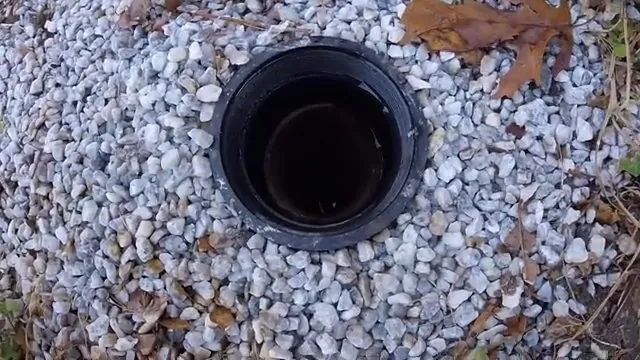
Clearing a blocked yard drain or a French drain run is separate work from the sanitary drains inside the house, and it is worth doing before a wet spell rather than during one.
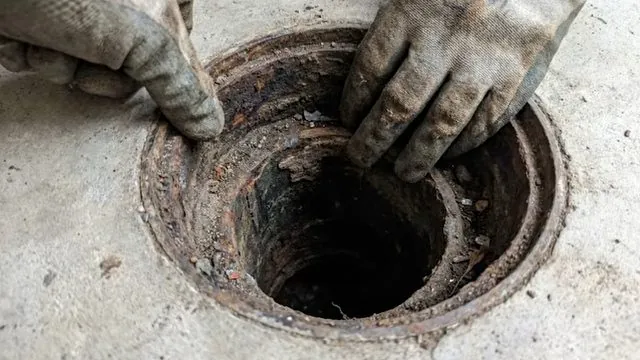
Commercial kitchen and grease line work
A commercial kitchen line is a different animal: higher volume, heavier grease loading, and a shutdown cost every hour it is not working.
Scheduled clearing on a known interval costs less than emergency clearing during service. Tell us the trading hours when you call, because the work usually has to fit around them.
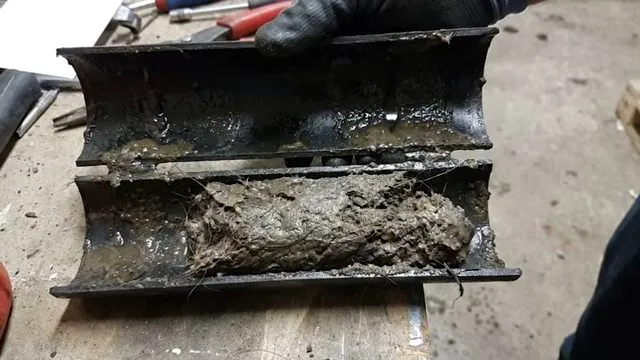
When a drain problem is really a main line problem
There is a point where cabling stops being the answer. If the camera shows roots at a joint, a cracked section, or a stretch sitting too flat to drain, the blockage is a symptom.
Rowlett's housing is mostly newer than the cast iron era, so what we usually find is PVC that has shifted with the clay and separated slightly at a fitting. That is a repair rather than a cleaning, and it moves to sewer line repair.
We would rather tell you that on the first visit than sell you four cablings a year.
Tell us which fixtures are affected and whether anything gurgles.
Drain maintenance: keeping lines clear between visits
None of this is exciting and all of it works better than a bottle of drain cleaner.
- Pour cooking fat into a container and bin it. Never down the sink, hot water or not.
- Fit a basket strainer in the kitchen and a hair catcher in the shower. They cost very little and prevent most branch clogs.
- Run the taps in a guest bathroom monthly so the traps do not dry out and let sewer gas through.
- Skip the caustic products. They harden soft blockages and they sit in the trap waiting for whoever opens it.
- Note the date whenever a drain is cleared. A pattern across two or three years is useful diagnostic information.
- Find your main cleanout once, while nothing is wrong, and remember where it is.
What people ask before booking a drain job
What does drain cleaning cost in Rowlett?
Mechanical snaking generally runs $175 to $450. What moves it is whether there is an accessible cleanout and whether the blockage is in a secondary branch or the main.
Jetting a main line is a different range, listed on the cost guide along with everything else.
Will a chemical drain cleaner fix it?
Usually not, and it often makes the next step harder. Caustic products work on soft organic blockages, which are the ones a plunger would have cleared anyway.
On grease or roots they do very little, and they leave a caustic standing column in the trap for whoever opens it next.
How often should drains be cleaned?
For a typical single-family home here, preventative cleaning every 18 to 24 months is reasonable. Houses with mature trees over the line, or heavy kitchen use, are closer to annually.
If you are needing it more often than that, the interval is not the problem. Something in the line is.
Do I need a licensed plumber to clear a drain?
For a simple branch clog, no, and plenty of people do it themselves. For anything on the main line, or any work that involves opening pipework, yes.
Texas plumbing licences come from the Texas State Board of Plumbing Examiners, and we can give you the credentials for whoever is sent before they start. It matters on a main line, because a cable in the wrong hands can turn a blockage into a break.
Can you show me what the camera sees?
Yes, and you should ask. Footage of your own line is the difference between taking our word for it and making an informed decision about a repair.
If anyone recommends a line repair without showing you why, that is worth questioning.
Ask to see the camera footage. It is your line and your decision.
Clearing the same drain every few months? That is worth a proper look.
Related work on this site
If the camera shows a problem in the main line rather than a branch, that becomes sewer repair, and relining it from the inside rather than opening up the garden is what pipe lining handles. Where grease or roots have coated the pipe wall rather than plugged it, hydro jetting is the right tool. A toilet that clogs repeatedly on its own is toilet repair, and a kitchen sink that backs up only when the unit runs usually points at garbage disposal repair rather than the drain itself.
Drain still not moving?
Tell us which fixtures are affected and whether anything gurgles when another one drains. That pair of answers usually tells us where the blockage is before anyone arrives.