
Kitchen plumbing, Rowlett TX
Humming, Jammed or Leaking? Garbage Disposal Repair in Rowlett, TX
Three things go wrong with a disposal, and they have almost nothing in common. It hums but will not turn, it does nothing at all, or it leaks.
Two of those you can often sort yourself in ten minutes, and this page tells you how rather than booking you a visit for it. The third depends entirely on where the water is coming from.
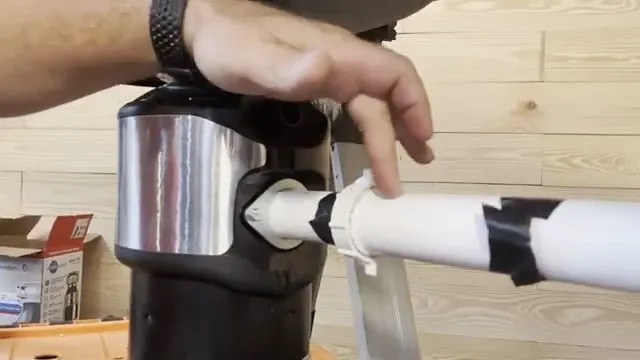
Three symptoms, three different causes
Work out which one you have before anything else. They lead to completely different outcomes.
| What it does | Usual cause | Likely outcome |
|---|---|---|
| Hums but the plate will not turn | Something jammed between the impellers and the housing | Clearable yourself, often in minutes |
| Completely dead, no sound | Tripped internal overload, or power | Reset button, then an electrical check |
| Runs but drains slowly | Blockage downstream of the unit | Drain work, not disposal work |
| Leaking at the sink flange | Failed plumber's putty seal at the top | Reseal, unit is fine |
| Leaking at a side connection | Dishwasher hose or discharge tube gasket | Gasket or clamp, unit is fine |
| Leaking from the bottom of the shell | Internal seal has failed | Replace the unit, not repairable |
The reset button and the hex key
The two fixes worth trying before you call anyone. Both are safe if you do the first step.
- Switch the disposal off at the wall and unplug it under the sink. Never put a hand or a tool in the chamber with power connected.
- Look underneath for a small red or black button. That is the overload reset. Press it firmly. If it stays in, that was the problem.
- If it hums, find the hex socket in the centre of the underside. Most units ship with a short hex key, often clipped to the unit itself.
- Work the key back and forth through a full turn each way. You are breaking whatever is wedged against the impellers.
- Shine a torch into the chamber and remove what comes loose with tongs or pliers. Not fingers, even with the power off.
- Restore power, run cold water, and switch on. If it turns freely, you are done.
If it still hums after that, or trips again within a day, the motor is the problem rather than the jam.
Try the reset and the hex key first. We would rather you saved the callout.
Where a disposal leaks from, and what each one means
This is the one that genuinely decides repair against replacement, so it is worth looking properly. Dry everything, run water, and watch where it appears first.
From the top, at the sink flange
Water appearing where the unit meets the sink means the plumber's putty seal has given up, usually after years of vibration.
The fix is dropping the unit, cleaning the old seal off and resealing. The disposal itself is fine and this is the least expensive of the three.
From the side, at a connection
The two side connections are the dishwasher inlet and the discharge tube to the trap. Both seal with a gasket or a clamp and both are replaceable parts.
A dishwasher hose that weeps only during a wash cycle is a classic version of this, and it is easy to misread as a disposal failure.
From the bottom of the shell
Water coming from the base of the housing means an internal seal has failed and the motor chamber is wet. That is not a repairable condition on a domestic unit.
Replacement is the honest answer here, and anyone offering to repair a shell leak is selling you a delay rather than a fix.
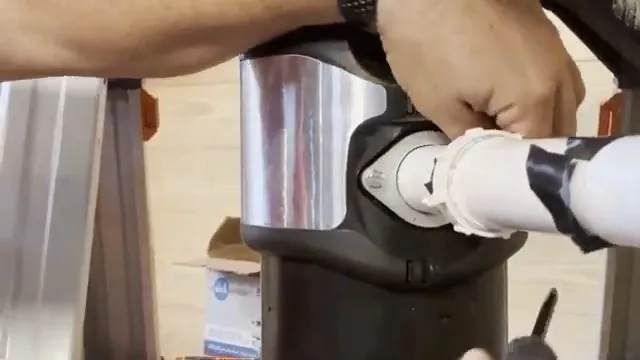
Repair or replace
A flange reseal or a gasket is worth doing on almost any unit. A seized motor on a disposal that is already ten years old generally is not, because the replacement costs little more than the repair and resets the clock.
The one case where repair clearly wins is a high-horsepower unit that is only a few years old. Those are worth keeping, and we will say so.
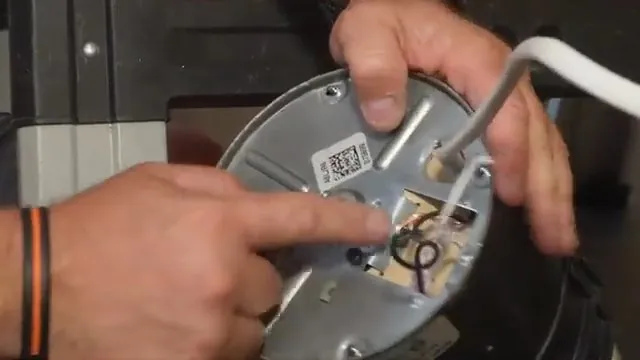
What installation costs and what moves it
| Work | Range | What moves it |
|---|---|---|
| Garbage disposal replacement | $225 to $550 | Motor horsepower from one third to one full HP, outlet accessibility, and sink flange type |
Fitting a disposal where there was not one before is a different job, because it needs an outlet, a switch and a change to the trap arrangement. That is quoted per job. The published table is on the job cost guide.
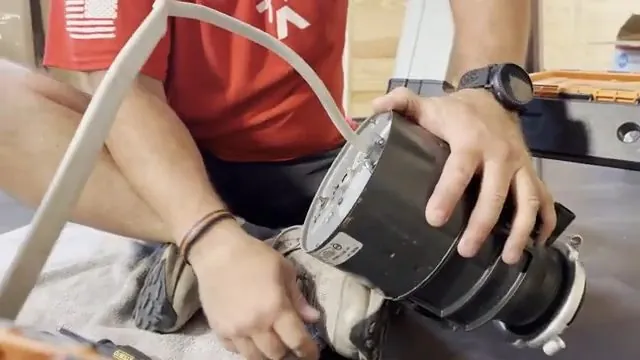
What not to put down it
Most of the jams we clear trace back to one of these.
- Cooking fat and grease. It does not grind, it coats, and it sets further down the line.
- Fibrous vegetable waste: celery strings, artichoke leaves, corn husks, onion skins. They wrap rather than cut.
- Coffee grounds. They clump into a sludge that packs the trap.
- Starchy waste in volume: pasta, rice, potato peel. It swells and holds water.
- Bones and fruit stones, beyond the occasional small one.
- Any caustic drain product. It damages seals and it will be sitting there when someone opens the trap.
Run cold water, not hot, while it is grinding and for fifteen seconds after. Cold keeps fats solid so they leave rather than coating the pipe.
Disposal questions worth asking first
What does a new disposal cost fitted?
Replacement runs $225 to $550. Motor horsepower, whether there is an accessible outlet under the sink, and the sink flange type are what move it.
That band and every other one is on the cost guide. A first-time installation where no disposal existed is quoted separately because of the electrical work.
Mine leaks from underneath. Can it be repaired?
No, and anyone saying otherwise is not doing you a favour. A leak from the bottom of the shell means the internal seal has gone and the motor chamber is wet.
A leak from the top flange or a side connection is a different matter entirely and is usually a straightforward repair.
Do I need a licensed plumber to swap a disposal?
For a like-for-like swap into an existing outlet, many people do it themselves. For a first installation, or anything involving new electrical work, use licensed trades.
Plumbing licences in Texas come through the Texas State Board of Plumbing Examiners, and checking the licence and insurance before hiring is the homeowner's job.
How long should a disposal last?
Eight to fifteen years is the usual span, and how it has been fed matters more than the brand. A unit that has had fat and fibrous waste put through it for a decade will not reach the top of that range.
It trips the reset every few days. What is that?
Repeated overload trips mean the motor is working harder than it should, usually because something is partly obstructing the chamber or a bearing is going.
Worth a look rather than resetting it indefinitely, because a motor in that state tends to fail at the least convenient moment.
Leaking from the bottom? That one is a replacement, and we will say so.
Fitting a disposal where there was not one? Mention the outlet when you call.
Related work on this site
If the sink drains slowly even with the disposal running freely, the problem is downstream and that is drain clearing. A leak from the tap or the sink basin rather than the unit is faucet repair, and water appearing in the cabinet from somewhere you cannot see is worth leak location work.
Disposal stopped?
Try the reset button and the hex key first. If it is still dead or it is leaking from the bottom, that is when it is worth a call.