
Finding leaks, Rowlett TX
Rising Water Bill or a Warm Floor Spot? Leak Detection in Rowlett, TX Finds the Source
Detection is a job in its own right. It is what you buy when the meter keeps turning and nobody can say where the water is going.
Plenty of people book detection and handle the repair themselves, or hand the result to someone else. That is a legitimate way to use us, and the price for finding it is quoted separately from the price for fixing it.
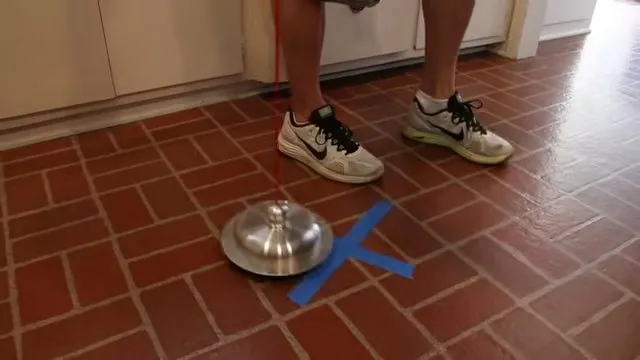
Start at the meter: a test you can run yourself
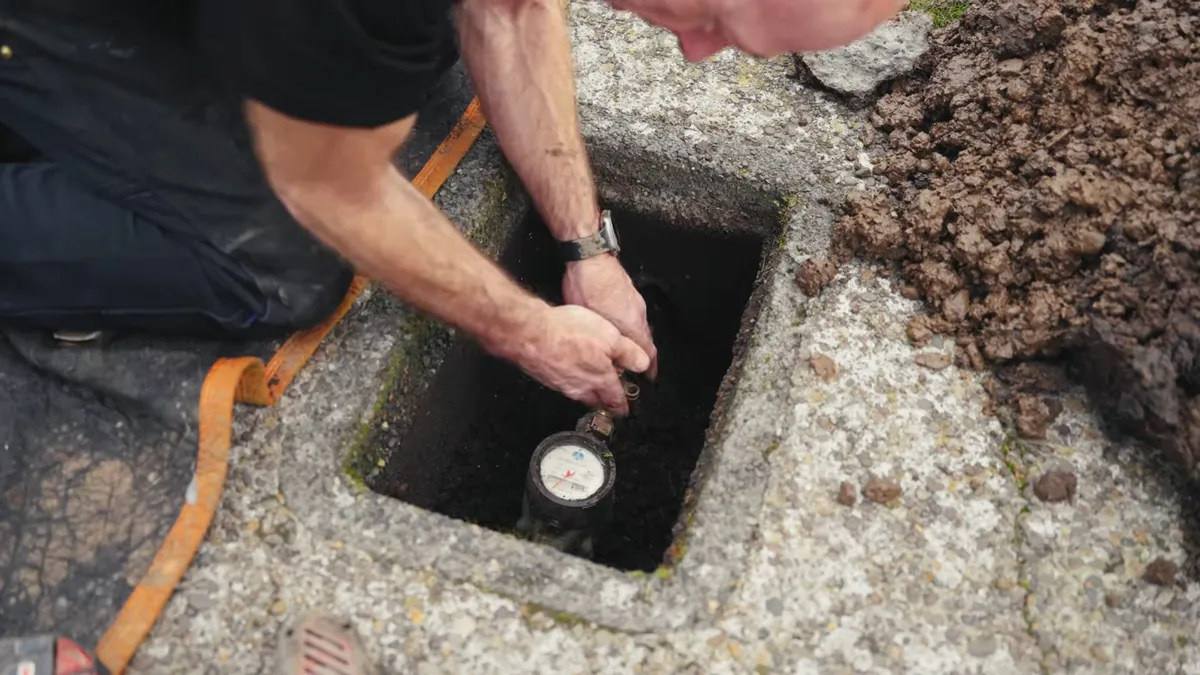
Twenty minutes, no tools. It will not tell you where the leak is, but it will tell us which half of the property to search.
- Turn off every tap, appliance and ice maker. Nothing using water for the next hour.
- Open the meter box at the kerb and note the dial position, or photograph it.
- Wait an hour without touching anything, then read it again. Movement means water is leaving the system.
- Now shut the valve where the supply comes into the building and take the reading again.
- Dial stops, the leak is indoors. Dial carries on, it is out in the ground between the meter and the wall.
- Note which result you got. It changes the equipment we bring.
Early signs, before anything becomes visible
Most leaks announce themselves quietly for weeks. These are the things people notice and then talk themselves out of.
- A bill drifting upward across consecutive cycles while nothing about the household changed.
- Running water audible at night with every tap closed.
- A patch of lawn that stays green or soft through a dry spell when the rest has gone brown.
- Pressure dropping at one fixture, or across the house.
- A musty smell in one room that does not clear with the windows open.
- Paint or skirting lifting along the bottom of a single wall.
- Warm or damp patches underfoot on tile or vinyl.
Any one of these is worth a meter test. Two together is worth a phone call.
Active leak you cannot find? Ring now, and run the meter test while you wait.
The equipment, and what each tool is actually for
Detection is not one device. Matching the method to the likely leak is most of the skill.
| Method | What it finds | Typical use here |
|---|---|---|
| Acoustic listening | The sound of water escaping under pressure | Under slabs and buried supply runs |
| Electronic line tracing | The path and depth of a buried pipe | Yard and service-line work before digging |
| Thermal and infrared imaging | Temperature differences behind a surface | Hot-side slab leaks, ceiling and wall leaks |
| Pressure isolation testing | Which section of a system is losing pressure | Narrowing down before any opening up |
| Moisture metering | How wet a material actually is | Confirming a wall is dry rather than looking dry |
| Camera inspection | Physical faults inside a line | Drains and sewer laterals |
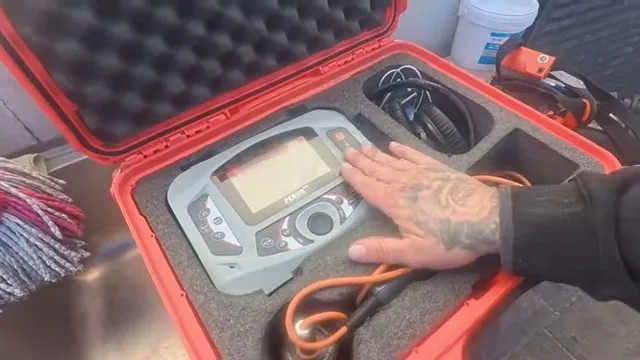
Leak types we locate
Detection covers more than supply pipe. These all come through the same phone line.
Ceiling, wall and behind-the-wall leaks
Water stains on a ceiling rarely sit under the leak. It travels along a joist and drops at the first low point, which is why opening the ceiling under the stain so often finds nothing.
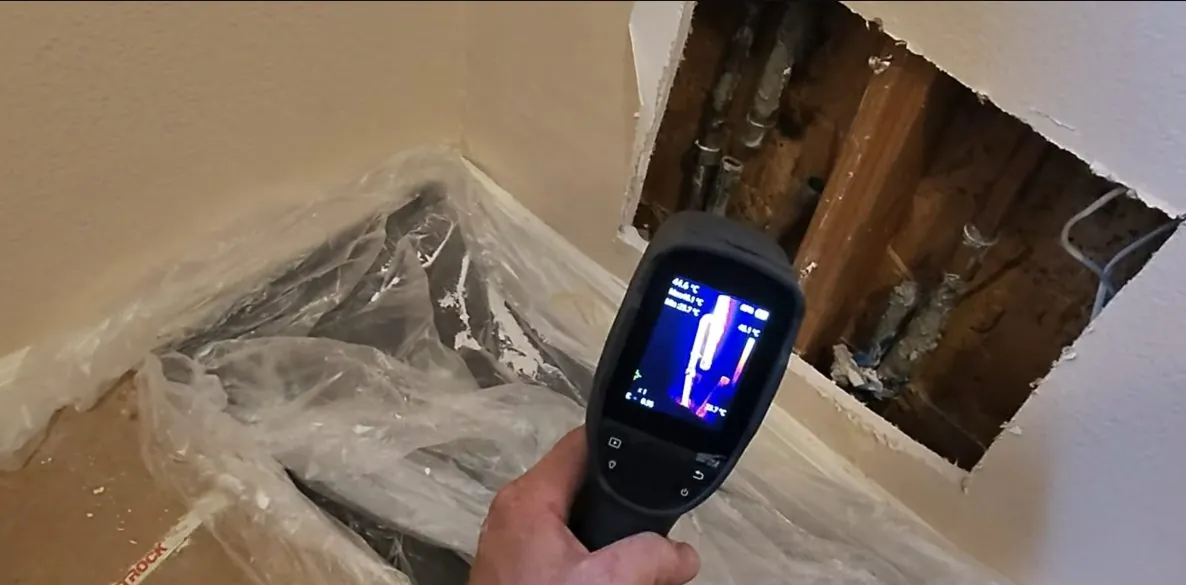
Thermal imaging and moisture metering narrow it to the actual source before anything is cut.
Yard and service-line leaks
The run between the meter and the house is the homeowner's side and the easiest to lose water through unnoticed, because it soaks away rather than showing indoors.
Tracing the line electronically before excavating is the difference between one neat hole and a trench.
Copper pinhole leaks
Rowlett's 1980s and 1990s housing is the copper era, and pinholes are what copper does at the end of its service life. One pinhole usually means the system is at that stage rather than that one spot was unlucky.
Pool and spa leaks
A pool that drops faster than evaporation explains is losing water through the shell, the fittings or the plumbing, and those are three different repairs. Finding which comes first.
Irrigation and sprinkler leaks
A sprinkler system is a second water network with its own valves, and a leak on the irrigation side still turns your meter. Worth isolating before searching the house.
Gas leak detection
If you can smell gas, leave the building and call your gas utility before anyone else. Detection work on a gas system is covered on gas line repair, where the safety sequence comes first.
Roof and gutter water
Not every ceiling stain is plumbing. Where the water is coming from above rather than from a pipe, we will say so plainly rather than finding you a plumbing problem to pay for.
Commercial leak detection
On a commercial site the cost of the leak is rarely the water. It is the trading hours lost while someone searches, and the stock or equipment sitting on the affected floor.
That changes the method rather than the price: more isolation testing up front, less exploratory opening, and work scheduled around when the site can afford to be disrupted.
A note on basement leak detection in this city
Basement leak detection is a standard service line in this trade, and it is close to irrelevant in Rowlett. Housing here is slab-on-grade, so there is no basement to inspect.
The equivalent spaces are the garage, where the water heater and main shut-off usually sit, and the attic, where supply runs cross an unconditioned space. Those are where we look instead, and we would rather say that than list a service this city does not have.
What you get after leak detection: marked spot and written result
A marked location, not a general area. A written result saying what was found, where, and how it was confirmed.
If the repair is work you want done, a separate price for that, agreed before it starts. If it is work you want to hand elsewhere, the written result is yours to take.
If we cannot find it, we will say so rather than pointing at the most likely-looking thing and charging for a repair that might not fix anything.
What people ask about finding a leak
What does leak detection cost on its own?
It is quoted as its own job, before anyone is dispatched, and separately from any repair. How long the search is likely to take is what moves it.
The published bands for the repairs themselves sit on the cost page. Detection is deliberately priced on its own so you can buy the answer without committing to the work.
Can I just book detection and do the repair myself?
Yes, and a fair number of callers do exactly that. You get the marked location and the written result.
Two things worth knowing: anything on a gas line or a pressurised supply under a slab is licensed work in Texas, and digging in a yard needs an 811 locate first regardless of who does it.
Who licenses the people doing this work in Texas?
The state body is the Texas State Board of Plumbing Examiners. Detection itself sits alongside the licensed repair work it leads to.
Ask for the credentials of anyone who turns up to do the repair that follows. We can produce them on request before the work begins.
How accurate is it? Will you still have to open the floor?
Acoustic and thermal work together typically get it to a spot rather than a room, which is the difference between one opening and several.
On an overhead reroute nothing gets opened at all. Whether that is the right call depends on the run, and it is covered on slab leak work.
My bill is high but I cannot find anything. Is it worth a visit?
Run the meter test above first. If the dial moves with everything off, the answer is yes, because that is measured evidence rather than a suspicion.
If the dial is still, the cause is more likely a billing or usage change than a leak, and we will tell you that rather than book a visit.
Buying detection on its own is fine. Say so and we will price it that way.
Digging in the yard? The 811 locate comes before the spade, always.
Where the repair happens after we find it
Once a leak is located, the fix lives on whichever page owns it. Below the concrete, that is slab leak plumbing. A pipe opened up by pressure is split pipe repair, a tap or valve is faucet and sink repair, and gas work goes to gas line work. Drying out what the leak soaked is water damage extraction.
Meter turning with everything off?
Tell us what the meter is doing and what you have already shut off. That pair of facts usually halves the search before anyone arrives.