
Burst and split lines, Rowlett TX
Pipe Breaks and Water Running Now? Burst Pipe Repair in Rowlett, TX Starts at the Shut-Off
A burst or broken pipe is a clock. Every minute the water runs is more material to dry, more skirting to replace and more of a claim to make. Residential and commercial jobs both start the same way: stop the water.
So the first section here is what to do in the next four minutes, and the repair detail comes after. Ring while you are doing it and we will talk you through the shut-off.
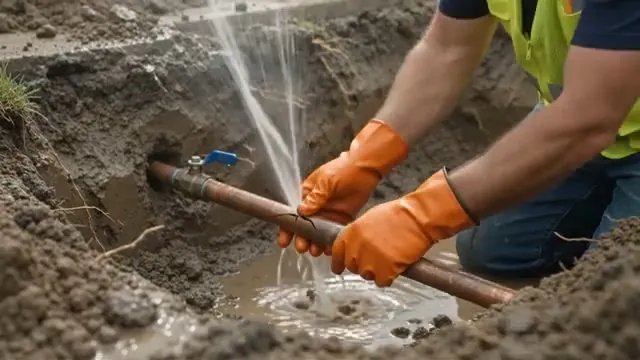
Burst pipe first steps: meter box shut-off, lowest tap, power
In this order. The order is the point.
- Shut the water at the meter box by the kerb, not at a fixture. A split line will keep emptying the whole system otherwise.
- Open the lowest tap in the house, usually an outdoor tap or a downstairs bath, to drain the pressure out of the lines.
- Cut the power to any circuit the water is reaching. If the consumer unit itself is wet or you would have to stand in water to reach it, leave it and call an electrician.
- Move what you can lift. Rugs, boxes on the floor, anything with electronics in it, anything with feet that will stain.
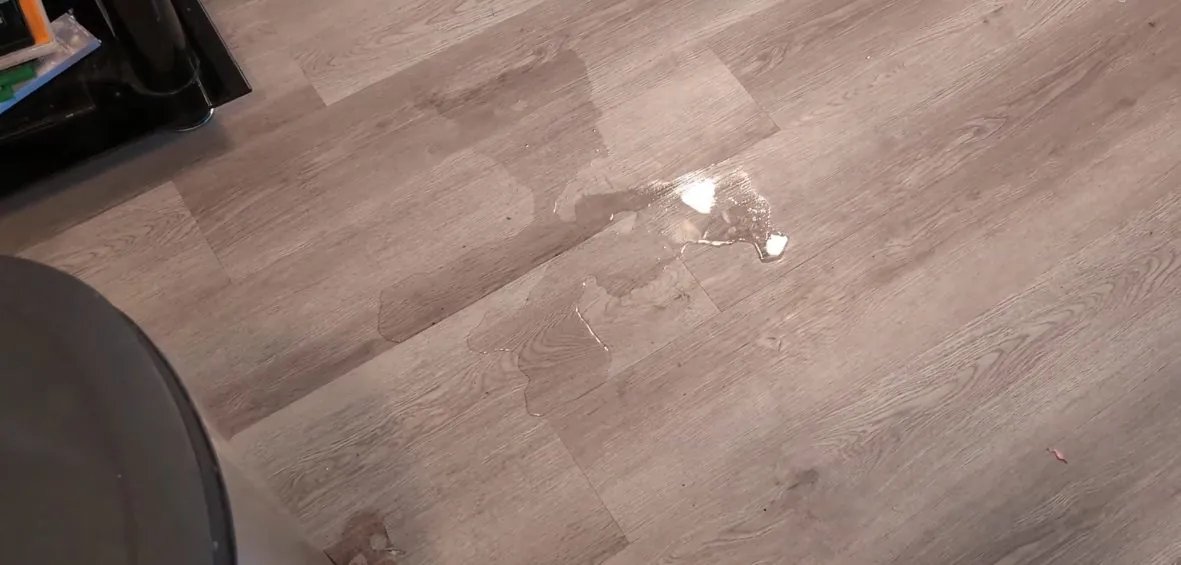
- Photograph it before you start mopping. This is the one step people skip and regret.
- Then call, and tell us what you have already shut off.
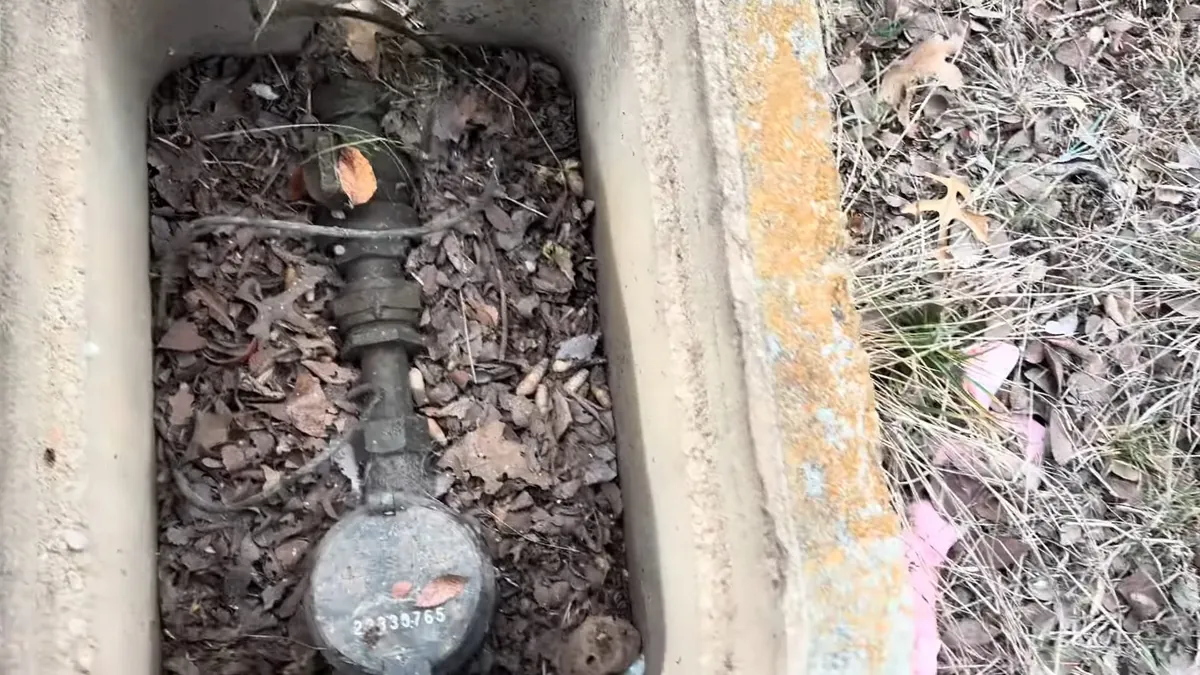
February 2021 is why North Texas takes freeze prep seriously
The statewide freeze in February 2021 is the reference point for everyone who was here. Burst pipes across North Texas, supply shortages on basic fittings, and waits for a plumber measured in weeks rather than hours.
The scale is worth keeping in mind. Reporting at the time described a Dallas homeowner facing around $15,000 in repairs after her house dropped to 38 degrees, from a pipe seam that had split along a gap narrower than the edge of a dime.
That figure is regional context rather than a Rowlett statistic, and we have not found a Rowlett-specific damage count. The practical lesson holds either way: in this climate the pipes that fail are the ones outside the heated part of the house.
Water still running? Ring the emergency line while you walk to the meter.
Where Rowlett pipes actually freeze
Four places, in roughly the order they fail. Worth twenty minutes before the first hard freeze.
- Outdoor taps and hose bibs. Disconnect the hose. A hose left attached holds water against the valve and splits it from the inside.
- Attic runs. North Texas attics swing from very hot to below freezing, and supply lines routed up there have nothing around them.
- Garage walls. The garage is unheated, usually has one uninsulated exterior wall, and is where a good deal of this city's pipework happens to live.
- Exterior wall cavities. A line run in the outside wall of a kitchen or bathroom is on the cold side of the insulation.
- Any run that has frozen before. It will be the first to go again, and it is worth insulating or rerouting rather than repairing twice.
A length of pipe insulation and a tap cover cost very little against a split line and a week of drying.
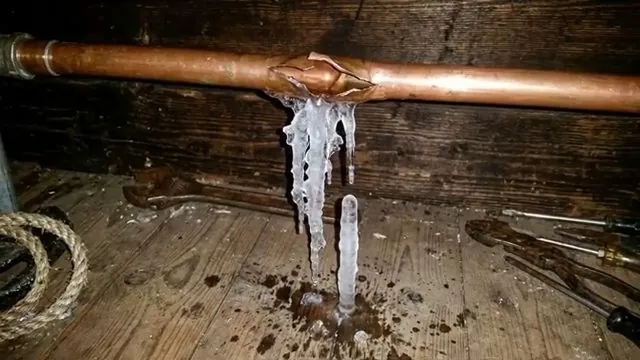
Cracked fittings, split copper and failed supply stops
What actually breaks, which is not always the pipe.
Split copper and PEX runs
Copper splits along a seam when water freezes and expands inside it, and the split is often far smaller than the damage suggests. PEX tolerates a freeze better but its fittings do not.
The repair is cutting back to sound pipe on both sides and replacing the section, not patching the visible split.
Broken elbows and cracked fittings
Elbows and tees take the stress a straight run does not. A cracked elbow with water flowing out of it is one of the most common calls in this category, and it is usually a quick repair once the water is off.
Failed supply stops and valves
The small shut-off valve under a sink or behind a toilet is a frequent failure point, particularly the first time it is turned in fifteen years. If a valve let go while you were trying to use it, say so, because it changes where we isolate.
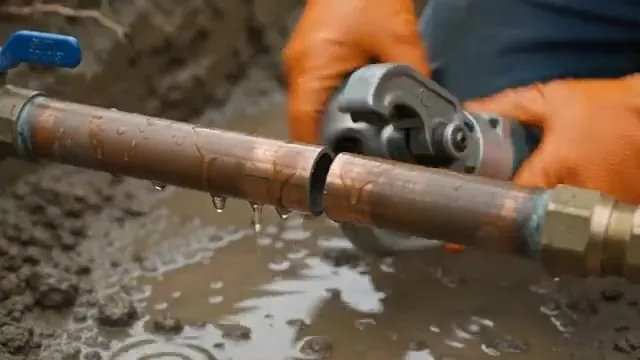
After the water stops: drying is a separate job
Fixing the pipe ends the cause. It does not dry the structure, and the two are genuinely different pieces of work with different equipment.
Extraction, dehumidification and structural drying are covered on water damage cleanup. What matters is the sequence: the plumbing repair first, so there is no more water arriving, then the drying.
Material that looks dry on the surface after 48 hours is often not dry inside the wall. That is what a moisture meter is for, and that is worth confirming rather than taking on trust.
Commercial and rental property callouts
On a let or commercial site, whoever finds the water is rarely whoever can approve the spend, and the valve nobody has touched in years is the one that now matters.
Tell us it is a let property or a commercial site when you ring. We will ask who authorises, who holds access, and what documentation you need afterwards, which saves a second call later.
After a burst: the questions that come up most
What does a burst pipe repair cost?
It depends almost entirely on access. The same split costs very differently in an open garage wall and behind tiled plasterwork on a second storey.
The cost breakdown page lists the bands and what pushes a job to one end of them. You will have that figure in writing first. We do not price a repair over the phone for something nobody has looked at.
Should I turn the water back on to check?
Not until the line is repaired or isolated. People do this to see whether it is still leaking, and the answer arrives through the ceiling.
If you need water in the house meanwhile, we can often isolate the failed branch and restore the rest, which is worth asking about.
Do I need a licensed plumber for this?
For anything beyond replacing a tap washer, yes. Licensing in this state runs through the Texas State Board of Plumbing Examiners, and a pressurised supply repair is squarely licensed work.
It also matters for a claim. An insurer asking who did the repair is a routine question, so ask us for the licence and insurance details of the plumber sent out and keep them with the paperwork.
Can you repair it without opening the wall?
Sometimes the access point is a cupboard or a ceiling below rather than the wall face, and we will look for that first.
Where there is no honest way around it, we will say so before starting rather than opening the wall and mentioning it afterwards.
How do I stop this happening again next winter?
Work down the list above before the first hard freeze: disconnect hoses, cover outdoor taps, insulate attic and garage runs, and know where your meter valve is.
If a particular run has frozen before, insulating it is a patch. Rerouting it out of the cold space is the fix, and it is worth pricing.
Photograph it before you mop. That step is the one people regret skipping.
Frozen once already? Ask about rerouting it out of the cold space.
Related work on this site
A leak that has been seeping quietly for weeks rather than splitting open belongs to hidden leak detection; one below the concrete belongs to slab leak repair. Once the water is stopped, drying out the structure is water damage drying, which is a separate job from the plumbing repair that ended it.
Pipe split right now?
Call while you are walking to the meter. We will tell you which valve, which way, and what to move before the water reaches it.