
Gas work, Rowlett TX
Before You Hook Up or Dig: Gas Line Repair in Rowlett, TX, Tested and Documented
If you can smell gas, do not read the rest of this page yet. The block directly below is the part that matters, and the order of those steps is deliberate.
Everything after it covers the ordinary work: pressure testing with a written result, appliance connections, and repairs to buried lines once a locate has been done.
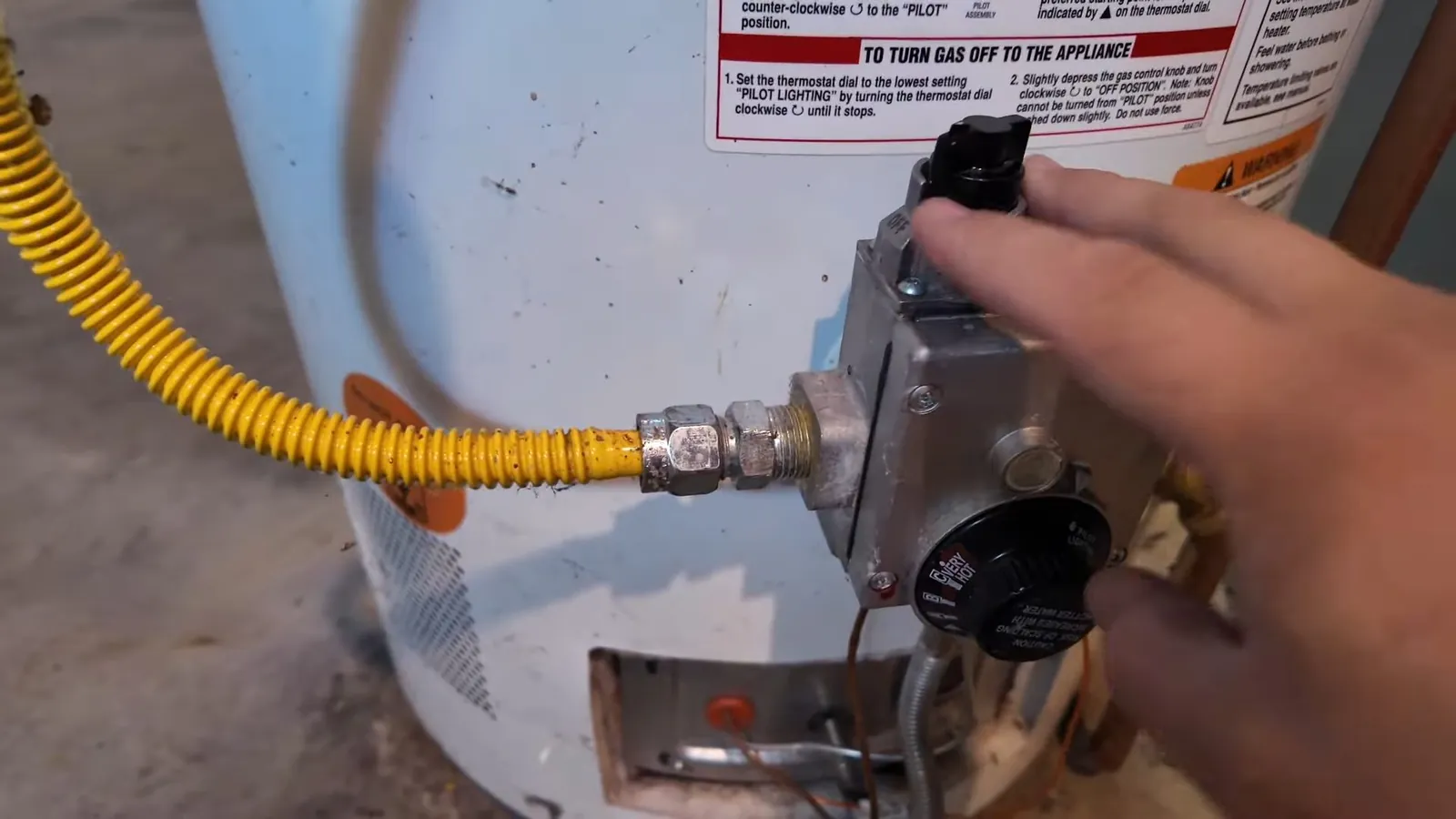
If you smell gas right now
Leave the building. Take everyone with you, including pets.
Do not switch anything on or off on your way out. A light switch, a garage door opener, a phone screen and a doorbell are all ignition sources. Leave the door open behind you.
From outside and well away, call your gas utility first, not us. They will shut the supply and make the site safe. Atmos Energy's emergency line is 1-866-322-8667 if they are your supplier.
Call us after the utility has made it safe. We handle the repair and the retest; the utility handles the shut-off.
Call 811 before anyone digs on a gas line
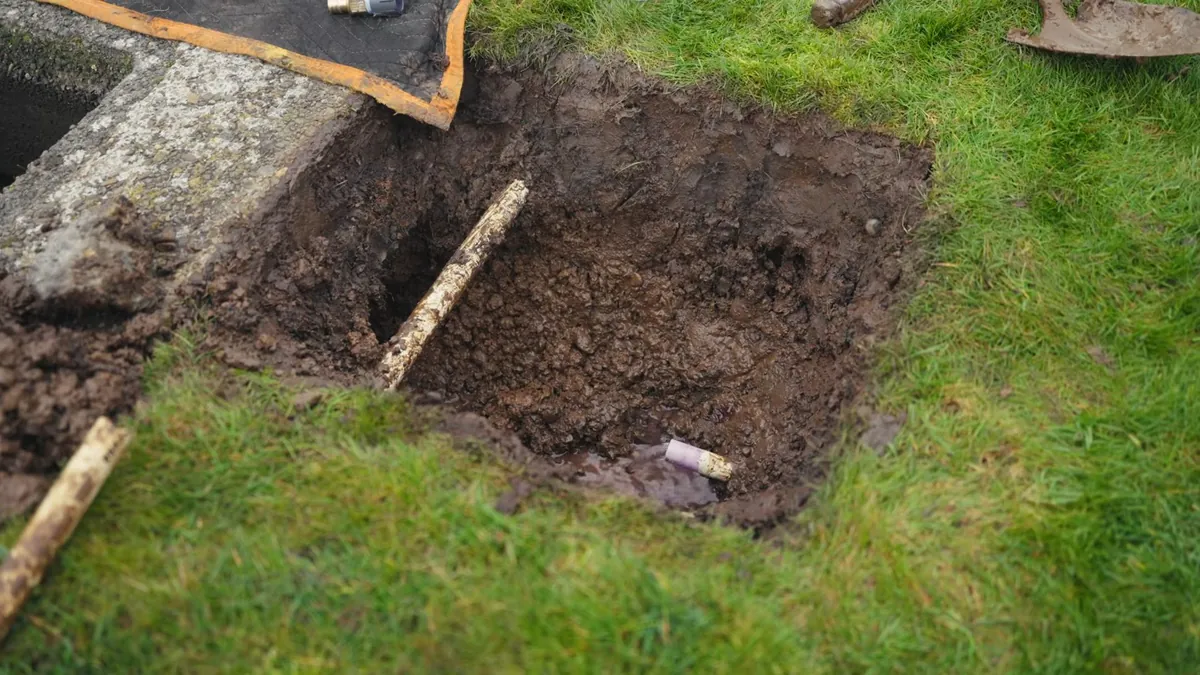
Buried gas lines are not where people assume they are, and they are not deep. Calling 811 gets the utilities marked before a spade goes in, and it is a legal requirement rather than a courtesy.
This is not theoretical in Rowlett. After the tornado that came through the city on December 26, 2015, Atmos Energy sent crews to Garland, Sunnyvale and Rowlett and warned specifically that buried gas lines were a hidden danger during debris clearance, telling residents to call before moving debris.
We do not dig on a gas line without a current locate, and no contractor should.
Pressure testing and the written result
A test tells you whether the system holds. A written result tells everyone else that it does, which is what an inspector, a buyer or an insurer actually wants.
- Isolate the section being tested and disconnect the appliances on it.
- Pressurise the line with air to the required test pressure and fit a gauge.
- Hold it for the required period and watch the gauge rather than the clock.
- If it drops, work the line section by section to find where it is losing pressure.
- Repair, then retest the repaired section from the start rather than assuming it is now fine.
- Issue the written result, reconnect the appliances, and check each connection individually.
People most often want this after a failed inspection, before a sale, or because a utility has asked for proof. Say which when you call, because it changes what the document needs to say.
Smell gas? Call your utility first, then us. The order matters.
Appliance hookups, conversions and outdoor runs
The steady, non-urgent half of gas work.
Ranges, dryers and fireplace inserts
Connecting a new appliance means checking the existing line is sized for it, not just that it reaches. An undersized run that was fine for one appliance can starve two.
Fireplace inserts come up every autumn here, usually on a line that has not been used since the previous winter.
Natural gas and propane conversions
An appliance built for one fuel needs the correct conversion kit and a re-check of the gas pressure afterwards. It is not a matter of changing the connector.
Outdoor kitchens, grills and pool heaters
A new run to the back of the property crosses open ground, which is where the locate matters most. Lake-side lots in Rowlett often have irrigation and low-voltage lines in the same corridor.
Buried line repair and what the ground does to it
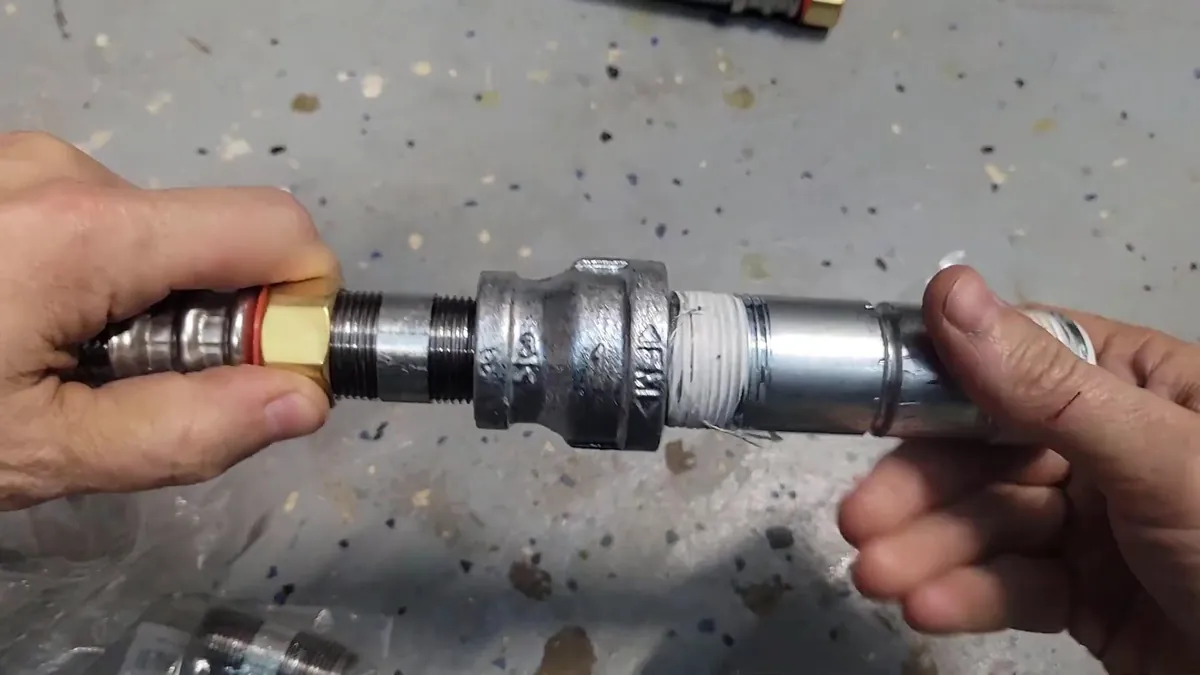
The same expansive clay that shifts slabs here works on buried services too. Ground that pulls apart in a drought and closes up again after rain puts steady movement through anything crossing it.
On a gas line that shows up at joints and at the transition where a buried run comes up out of the ground. Those transitions are the first place we check on an older run.
What moves the price on a gas job
Wide ranges only. The factors below are what decide where inside the range a particular job lands.
| Job | Typical range | What moves it |
|---|---|---|
| Gas line repair or new extension | $350 to $1,400 | Length of the run, pressure testing required, and the appliance connection type |
The full table for every service is on the Rowlett cost table. A written price comes before work starts, not after.
Gas line questions we get in Rowlett
Can you give me a written report confirming there is no leak?
Yes. That is a pressure test with a documented result, and it is one of the most common things people ring for.
Tell us who the document is for, because an inspector, a buyer's solicitor and an insurer each want slightly different detail in it.
What does gas line work cost here?
Repairs and new extensions generally run $350 to $1,400. The length of the run, whether a pressure test is needed, and the type of appliance connection are what move it.
Every published range is on the job cost guide. We do not quote a flat figure over the phone for work nobody has looked at yet.
Does a plumber or a gas fitter do this in Texas?
Plumbing licences in Texas are issued by the Texas State Board of Plumbing Examiners. Gas work carries an endorsement requirement on top of whichever base licence the plumber holds.
Gas work carries its own endorsement requirements on top of the base licence. Ask to see the licence, and check it covers the work. Verifying that is the homeowner's responsibility, not something to take on trust.
I smell gas but the utility says the meter is fine. Now what?
That points at the house side rather than the supply side, which is where we come in. The line from the meter into and around the property is the homeowner's.
We test it section by section rather than guessing, because a smell near one appliance does not mean the failure is at that appliance.
Can I run a gas line myself to a new grill?
We would strongly advise against it, and not just for the obvious reason. An unpermitted gas run is a problem at the point of sale and a problem for an insurer after any incident, whatever caused it.
Any permit this needs is handled by the city's Building Safety team. Check yours before a trench is opened.
Need the test in writing? Say who it is for and we will format it to suit.
Planning an outdoor kitchen? Ring before the trench, not after.
Related work on this site
A gas smell with no obvious source is a detection job rather than a repair one, and leak detection covers how that equipment is used on gas as well. If an appliance connection is part of a water heater change, that work sits on water heater installation, and for anything running right now, burst pipe work is the faster route.
Need a gas line tested or repaired?
Tell us whether this is a smell, a failed inspection, a new appliance or a buried line, and we will tell you what the job involves and what the range looks like.