
Fixtures, Rowlett TX
Drips, Seized Stops and Dead Valves: Faucet and Sink Repair in Rowlett, TX
A dripping tap is the job people put off longest and the one that most often turns out to be a ten minute cartridge change.
The exception is when a fixture is the symptom rather than the problem. The section at the end of this page covers how to tell, because fixing a tap that is reporting a pipe fault wastes everyone's time.
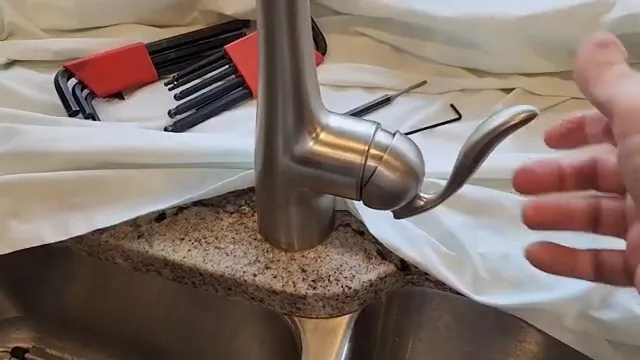
Where the drip is tells you what failed
Thirty seconds of looking saves a diagnostic visit.
- From the spout with the tap closed: the cartridge or the seat. The most common fault and usually the simplest.
- From around the base of the spout when running: the body O-rings.
- From under the handle: the stem seal or packing nut.
- From the cabinet floor with nothing obviously wet above: a supply connection or a supply stop, not the tap.
- Only when the waste is draining: the trap or the waste connection, which is a different repair again.
- From the wall behind a tap rather than from the tap: a failure inside the wall, and that is a pipe job.
Kitchen taps, bathroom taps and the parts that wear
Three fixture families, three different wear patterns.
Kitchen mixers and pull-outs
Used more than any other tap in the house, so cartridges wear first here. Pull-out sprays add a hose and a weight that can leak under the sink without a drop appearing at the spout.
A pull-out that has lost pressure is often a blocked spray head rather than a supply problem, and that is a descaling job on water this hard.
Basin and bath taps
Lower use, longer life, and the failures tend to be seals rather than cartridges. A bath tap that drips into the tub is easy to live with and worth fixing anyway, because the drip is scoring the seat while you wait.
Shower and bath valves
The one in this group that is genuinely awkward, because the valve is behind tile. A thermostatic or pressure balance cartridge can usually be changed through the trim without opening the wall, which is the outcome to aim for.
Where the valve body itself has failed, access has to be made, so ask about that when you book.
Tell us where the drip comes from. That names the part most of the time.
Outdoor taps and hose bibs
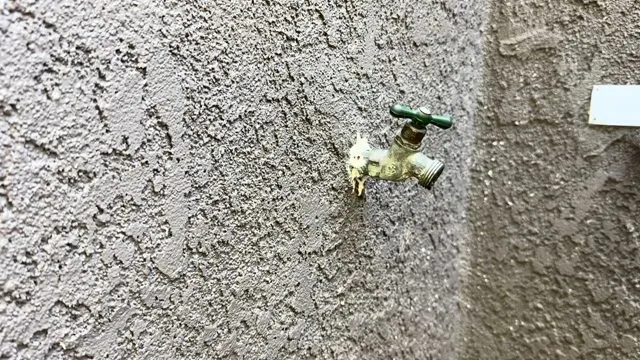
Exterior taps in this climate take a freeze every few winters and bake the rest of the year, which is harder on them than anything indoors.
A hose bib dripping at the handle is a washer or packing job. One dripping from the wall behind it has split inside, usually because a hose was left connected through a freeze, and that is a pipe repair with a wall opening in it.
Frost-proof sillcocks fail the same way and hide it better, because the valve seat sits back inside the wall. A tap that only leaks while running and stops when closed is the classic sign.
What a cartridge change actually involves
The commonest repair on this page, start to finish, so you know what you are paying for.
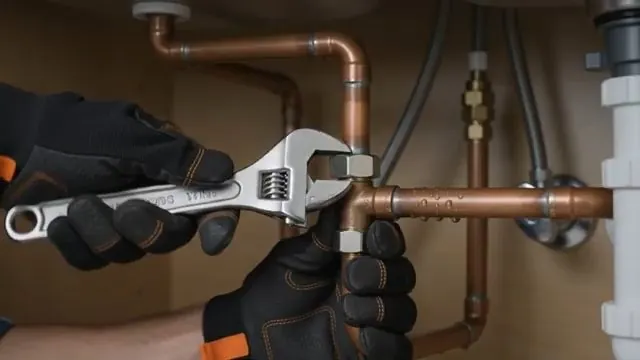
- Close the supply stops under the fixture, or the main if the stops are seized, which on an older stop is common.
- Open the tap to drop the pressure and drain the riser.
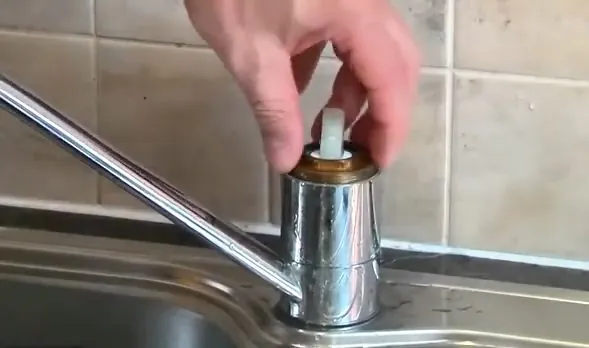
- Remove the handle and the retaining nut or clip. On a tap that has been in place a decade on hard water, this is the step that takes the time.
- Pull the cartridge, matching it against the replacement before fitting, since visually similar cartridges are often not interchangeable.
- Clean the seat and the body of scale before the new cartridge goes in. Skipping this is why some repairs fail again within a year.
- Refit, restore supply slowly, and check under the sink with the tap running and closed.
If the supply stops will not close, they get replaced as part of the job. A seized stop is a problem you will otherwise meet again in an emergency.
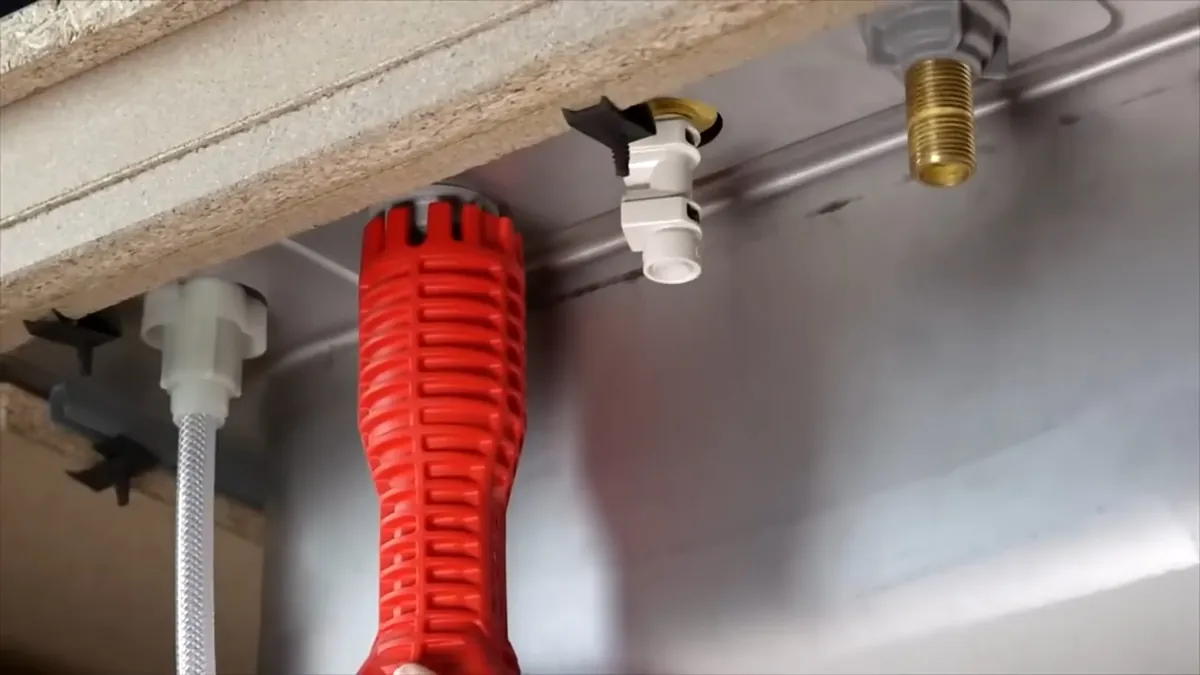
New fixture installation
Fitting a new tap or sink is mostly about what is underneath: the condition of the supply stops, the arrangement of the waste, and whether the new fixture's hole spacing matches the old one.
We replace the supply stops as standard on an installation unless they are recent. The small cost at that moment is worth more than the stop failing with a fixture on the end of it later.
What hard water does to fixtures here
Hardness on the supply here ran from about 6 to 12 grains per gallon through 2024, which is hard to very hard on the scale any softener label uses.
At that level scale builds in aerators, spray heads and cartridge bodies. Most complaints about a tap losing pressure here turn out to be a blocked aerator, which unscrews and soaks clean in vinegar.
It also means cartridges seize. Allowing extra time on an older fixture is realistic rather than pessimistic.
When the fixture is the symptom, not the problem
A single dripping tap is a fixture fault. Several fixtures losing pressure at once, or a tap that runs discoloured after standing, is the system telling you something else.
Discoloured hot water only usually points at the water heater. Pressure dropping across the house points at the supply rather than the taps. A damp patch appearing in a cabinet with the tap dry above it points at a connection or a pipe.
We will say which of those we think it is rather than replacing a cartridge and leaving you to ring again.
Tap and sink questions we get asked
What does a tap repair cost?
Nearly all of it comes down to whether the stops turn. A cartridge swap on a tap whose isolation valves still work is a short visit. The same tap with two seized stops underneath it is a different job, because both of those have to come off the copper first.
So the number comes after someone has tried the stops, not before. The larger services that do have published bands are listed on the cost guide.
Is it worth repairing an old tap or should I replace it?
If the body is sound and the cartridge is available, repair is usually the better value. If the tap is a discontinued pattern with no parts, or the body is corroded, replacement costs less than the search.
We will tell you which one you have before starting.
Do I need a licensed plumber for a tap?
For a straight like-for-like swap, many people do it themselves and that is reasonable. For anything involving the pipework behind the fixture, use a licensed trade.
Texas licences come through the Texas State Board of Plumbing Examiners, whose register is public. Ask us for the number before work starts if you want to look it up.
My shower drips no matter how hard I turn it off. Cartridge?
Almost always, yes. Tightening it harder damages the seat and makes the eventual repair bigger, so it is worth stopping.
Most shower cartridges change through the trim without opening the wall. We will confirm that before quoting a job that involves tile.
The tap under my sink will not shut off. Is that urgent?
Not an emergency, but do not leave it. A seized supply stop means that the only way to isolate that fixture is the main, which turns a small future repair into a whole-house shutdown.
Replacing stops is quick while nothing is wrong and awkward during a leak.
Supply stop seized? Mention it, we will replace it while we are there.
Lost pressure at one tap? Try unscrewing and soaking the aerator first.
Related work on this site
If several fixtures lost pressure at once, or the drip came with a water bill you cannot explain, start with leak tracing instead. Valve and pan work done as part of a shower or bath replacement sits on bathroom plumbing, a toilet is running toilet repair, and a waste pipe that will not clear is clog clearing.
Something dripping?
Tell us which fixture, whether it drips from the spout or the body, and whether it is constant or only when the tap is running. Those three answers usually name the part.