
Toilets, Rowlett TX
Rocking Pan, Weak Flush or Wet Floor? Toilet Repair in Rowlett, TX
A running toilet is the most expensive small fault in a house. It can put thousands of gallons through the meter in a month without making a sound anyone notices.
Most of the causes come down to small, low-cost parts. This page covers which symptom means which part, including the one repair worth trying yourself.
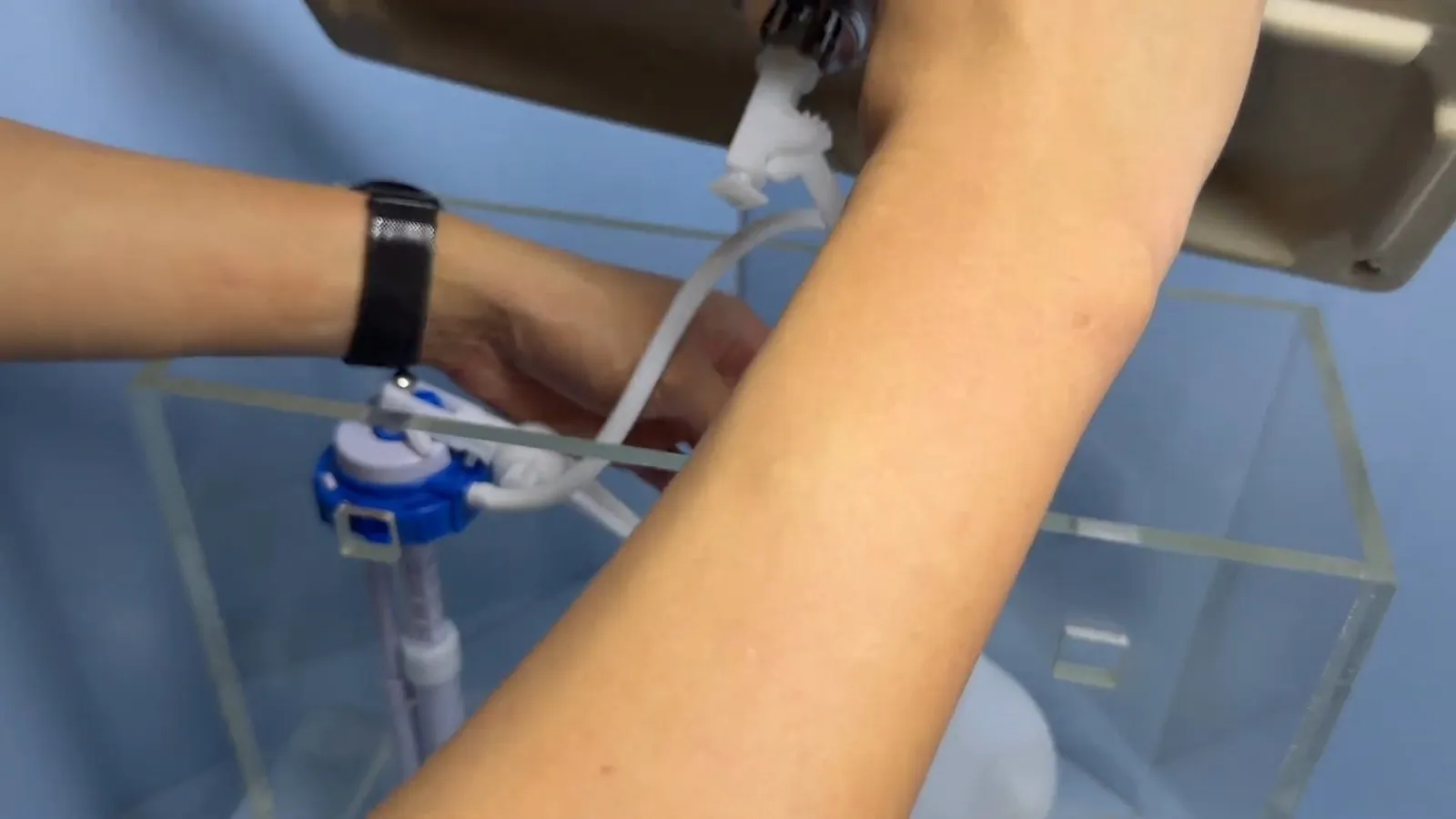
Toilet symptoms matched to causes: running, hissing, refilling
Find yours, then read the section that matches.
- Refills by itself every few minutes with nobody using it: the flapper is letting water past.
- Runs continuously and never stops: the fill valve or the float setting.
- You hear a faint hiss but see nothing: a silent leak past the flapper, the expensive one.
- Water on the floor around the base: the wax ring, or a cracked pan.
- Water at the tank bolts or the supply connection: a seal or a washer, not the pan.
- Rocks when you sit on it: loose floor flange or bolts, and it will become a wax ring failure if left.
- Blocks repeatedly with normal use: not a flush problem, something downstream or a restricted trapway.
- Weak flush that leaves residue: mineral buildup in the rim jets, which is common on water this hard.
The flapper test, and the repair worth doing yourself
Ten minutes, a few pounds of parts, and it fixes the most common fault on this page.
- Take the tank lid off and put a few drops of food colouring in the tank water. Do not flush.
- Wait thirty minutes without using the toilet.
- Look in the bowl. Colour in the bowl means water is passing the flapper, and that is your leak.
- To replace it: close the supply stop, flush to empty the tank, and sponge out the last inch.
- Unhook the old flapper from the overflow tube and the chain from the lever, then fit the replacement to match.
- Set the chain with a little slack, restore the supply and test. Too tight and it holds the flapper open, which is the usual mistake.
If colour still appears after a new flapper, the seat it sits on is pitted or scaled, and that is where it is worth calling someone.
Try the food colouring test first. It costs nothing and settles it.
The faults that are not the flapper
Fill valve and float
A toilet that runs continuously, or that overflows into the overflow tube, is usually the fill valve failing to shut or a float set too high.
Fill valves are a straightforward replacement and come as a complete assembly. The water level should sit about an inch below the top of the overflow tube.
Wax ring and the floor flange
Water appearing around the base after a flush means the seal between the pan and the flange has failed. The fix is lifting the toilet and replacing the ring.
While it is lifted, the flange gets checked. A cracked or sunken flange is the underlying cause often enough that replacing the ring alone just delays the repeat.
Cracked pan or tank
Hairline cracks in porcelain do not get repaired, they get replaced. A crack below the waterline will fail suddenly rather than gradually.
If a crack is the diagnosis, we will show it to you rather than just telling you.
Clogs that keep coming back
A toilet that blocks occasionally after heavy use is normal. One that blocks weekly is reporting a problem rather than having one.
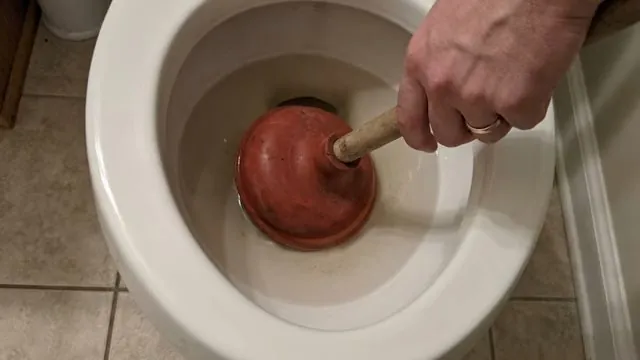
Three usual causes: something lodged in the trapway that a plunger pushed past but did not remove, a low-flow pan from the first generation of those designs, or a blockage further down the branch that the toilet is simply the first fixture to notice.
The third is why we ask whether anything else in the house is slow. If a bath gurgles when the toilet flushes, the toilet is not the problem.
Installation, replacement and relocation
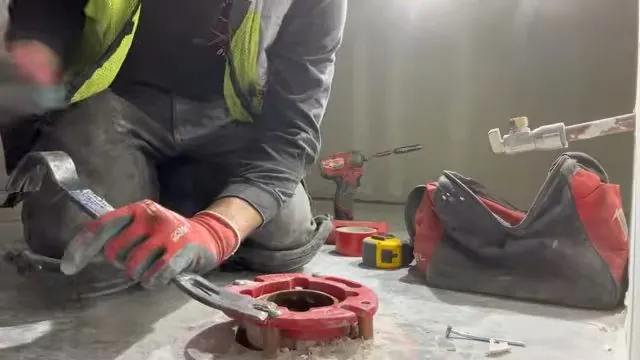
A straight replacement in the same position is a short job: remove, check and prepare the flange, set a new wax ring, fit and connect.
Moving a toilet is a different proposition entirely, because the drain has to move with it. On a slab-on-grade house, which is nearly all of Rowlett, that means cutting concrete and re-establishing fall.
Anyone quoting a toilet relocation on a slab as a fixture job has not thought about the drain. We price the drain work honestly at the quoting stage.
Hard water and the rim jets
Local supply hardness sat in the 6 to 12 grain range through 2024, well inside what plumbers call hard water.
In a toilet that shows up as scale in the rim jets, the small holes under the rim that direct the flush around the bowl. Blocked jets give a weak, uneven flush that gets mistaken for a failing toilet.
Clearing them restores the flush on a pan people were about to replace, which is worth checking before buying a new one.
What toilet work costs
Toilet repairs are quoted per job. These are the factors that decide it.
| Factor | Effect on the price |
|---|---|
| Which part has failed | A flapper or fill valve is the low end; a wax ring means lifting the pan |
| Condition of the floor flange | A cracked or sunken flange adds real work under the pan |
| Whether the pan is being replaced | Removal, disposal and fitting rather than a part swap |
| Whether the position changes | Moving the drain on a slab is the largest variable by far |
| Access and floor finish | Tile set tight around a pan complicates removal |
Larger jobs that do carry a printed range are listed on the cost breakdown page. Whichever of the two a toilet turns out to be, the number is agreed in writing first.
Toilet questions we answer most
How much water does a running toilet actually waste?
Enough to show clearly on a bill. A flapper passing water continuously is the single most common cause of a water bill that jumps with no visible leak anywhere.
The colouring test above costs nothing and settles it in thirty minutes, which is why it is on this page rather than behind a callout.
What does a toilet repair cost?
Two very different jobs share the name. Internals, a flapper, a fill valve, a flush valve seal, are parts you can buy for a few dollars and a visit measured in minutes. Pulling the pan to deal with the flange or the wax ring means lifting the fixture, and that is an hour or more with the possibility of a cracked flange underneath.
A toilet therefore carries no printed band here. The services that do are set out on the cost page.
Do I need a licensed plumber for a toilet?
For a flapper or a fill valve, no, and the steps above are there so you can do it. For anything involving the flange, the drain or moving the fixture, yes.
Licensing runs through the Texas State Board of Plumbing Examiners. Check it before anyone opens up a floor.
Is it worth repairing an older toilet?
Usually. The failing parts are inexpensive and the pan itself rarely wears out. The exceptions are a cracked pan and some early low-flow designs that never flushed well.
Scaled rim jets are worth clearing before concluding a toilet is finished. It is a common misdiagnosis on water this hard.
Can you move my toilet to the other wall?
Often, but it is a drain job rather than a fixture job. On a slab that means cutting concrete, moving the drain, re-establishing fall and sorting the venting.
We will tell you at the quoting stage whether the layout you want works, and what it genuinely costs, rather than finding out during demolition.
Rocking when you sit on it? Worth sorting before the seal fails.
Weak flush? Ask us to check the rim jets before you buy a new toilet.
Related work on this site
If more than one fixture is backing up rather than just the toilet, the problem is further down the line and that is drain cleaning or, where the main is involved, sewer line service. A toilet being moved as part of a bathroom job sits on shower and tub plumbing, and a water bill that climbed with no toilet running is worth leak detection.
Toilet running or leaking?
Tell us whether it refills on its own, leaks at the base, or blocks repeatedly. Those three go to three completely different repairs.