
Wet-space work, Rowlett TX
Planning a Shower, Tub or Valve Job? Bathroom Plumbing in Rowlett, TX Explained
This is the plumbing side of a bathroom: the pipework, the valves, the drains and the things behind the tile that leak five years later if they are done badly.
It is not a full remodel service, and the section below says exactly where the line is. Knowing that before you ring saves everyone a conversation.
Bathroom work we do, and what needs another contractor
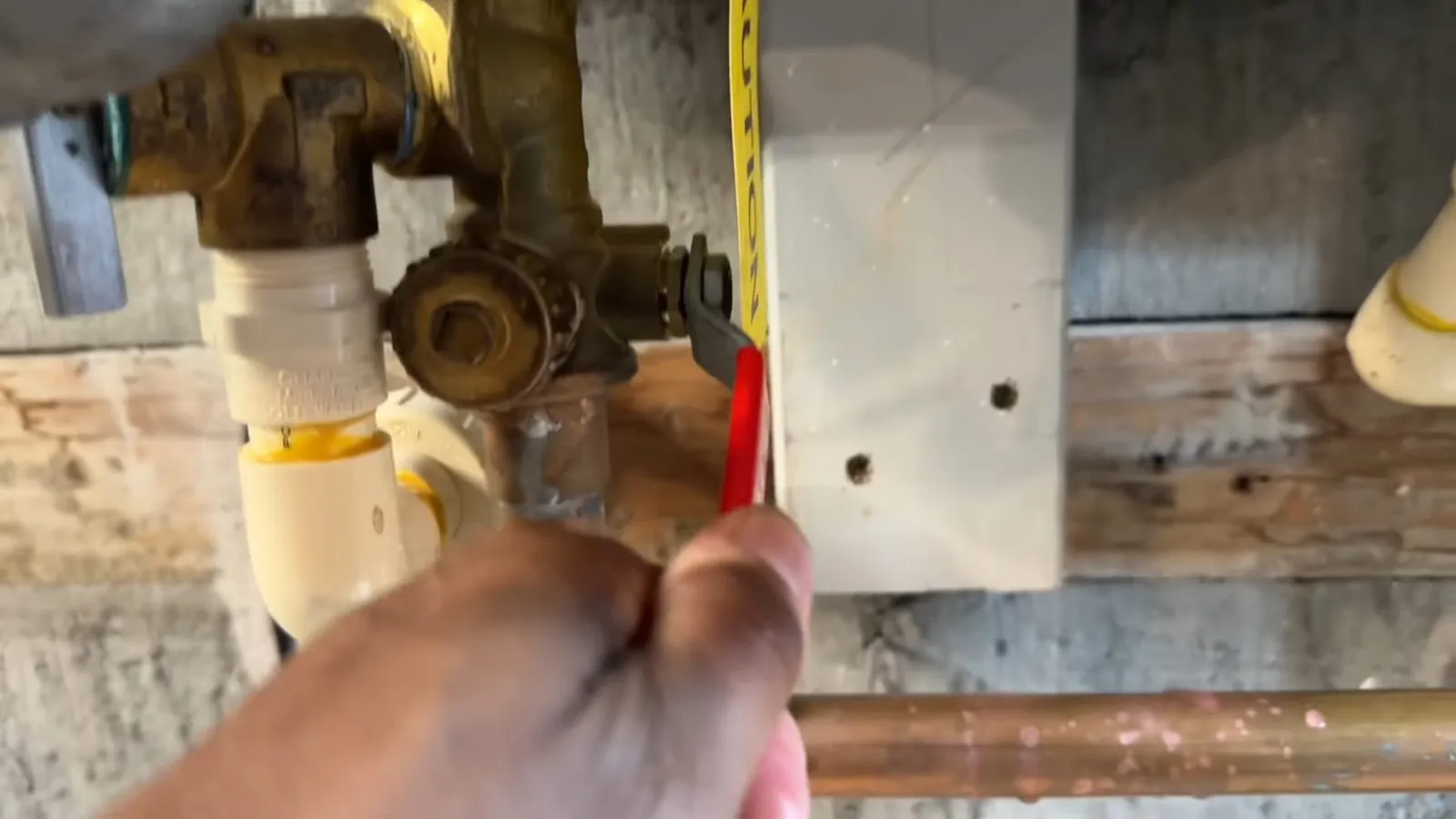
We do the wet-space plumbing: supply and drain pipework, shower and bath valves, pans and traps, fixture rough-ins and the connections behind them.
We do not do general bathroom remodelling. No tiling, no cabinetry, no plastering, no reconstruction work after water damage. If you need those, you need a contractor and we are one trade on their list.
That boundary is deliberate rather than a limitation we are embarrassed about. A plumber who also quotes your tiling is subcontracting it, and you will pay for the extra layer.
Shower and bath replacement rough-ins
Replacing a shower or a bath is mostly invisible work. The part you see is the last day; the part that determines whether it leaks is the rough-in.
That means setting the valve at the right depth for the finished wall thickness, getting the drain position and fall right before anything is set, and pressure testing the supply connections while they are still reachable.
The single most common expensive mistake is closing a wall before testing. We test first, every time, because the alternative is opening new tile to find a weeping joint.
Ring at the planning stage, before the wall build-up is decided.
Valves, pans and the things that leak later
Three components that cause most of the callbacks on bathroom work, and what separates a good install from a quick one.
Mixing and diverter valves
Valve depth has to match the finished wall, which means knowing the tile and backer thickness before the valve is set rather than after.
Set too deep and the trim will not reach. Set too shallow and it stands proud and never seals properly against the tile.
Shower pans and liners
A pan that is not properly sloped to the drain holds water at the edges, and a liner that is not lapped correctly lets it past. Neither shows up for a year or two, and by then the joists are involved.
A flood test before the tile goes on takes an afternoon and settles the question.
Traps and drain connections
Older Rowlett bathrooms sometimes still carry an S-trap arrangement that siphons and lets sewer gas through. Replacing those with a correctly vented P-trap is a common part of this work.
Where a drain is being moved rather than reused, the fall has to be re-established, which is the part that gets skipped under time pressure.
Jetted tubs and older fittings
Jetted and whirlpool baths were popular in the housing that went up across Rowlett through the 1990s, and a good number of them are now at the age where the pump, the seals or the access panel plumbing need attention.
Access is usually the real question. A tub installed with no serviceable access panel means making one, and that is worth knowing before the job rather than discovering it on the day.
Moving a fixture means moving the drain
People underestimate this one consistently. Shifting a basin or a toilet two feet is a drain job, not a fixture job.
- Confirm where the existing drain and vent actually run, which on a slab-on-grade house means working out what is under the concrete.
- Check whether the new position can be reached while keeping the required fall. Fall is not negotiable and it is what usually decides whether a layout is possible.
- Work out the venting. A fixture moved away from its vent needs a new arrangement or it will siphon and smell.
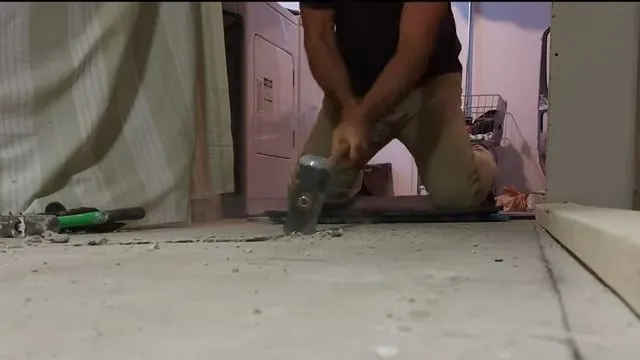
- Price the slab work honestly if the drain has to move through concrete, because that is the real cost of the layout change.
- Rough in, pressure and flood test, then close up.
If the answer is that a layout will not work without cutting the slab, we will say so at the quoting stage. That is a far better conversation to have than the one during demolition.
Why Rowlett bathroom walls hold newer pipe than expected
The city went from 7,522 people in 1980 to more than 44,000 by 2000, so most bathrooms here are in houses built in that window rather than in genuinely old stock.
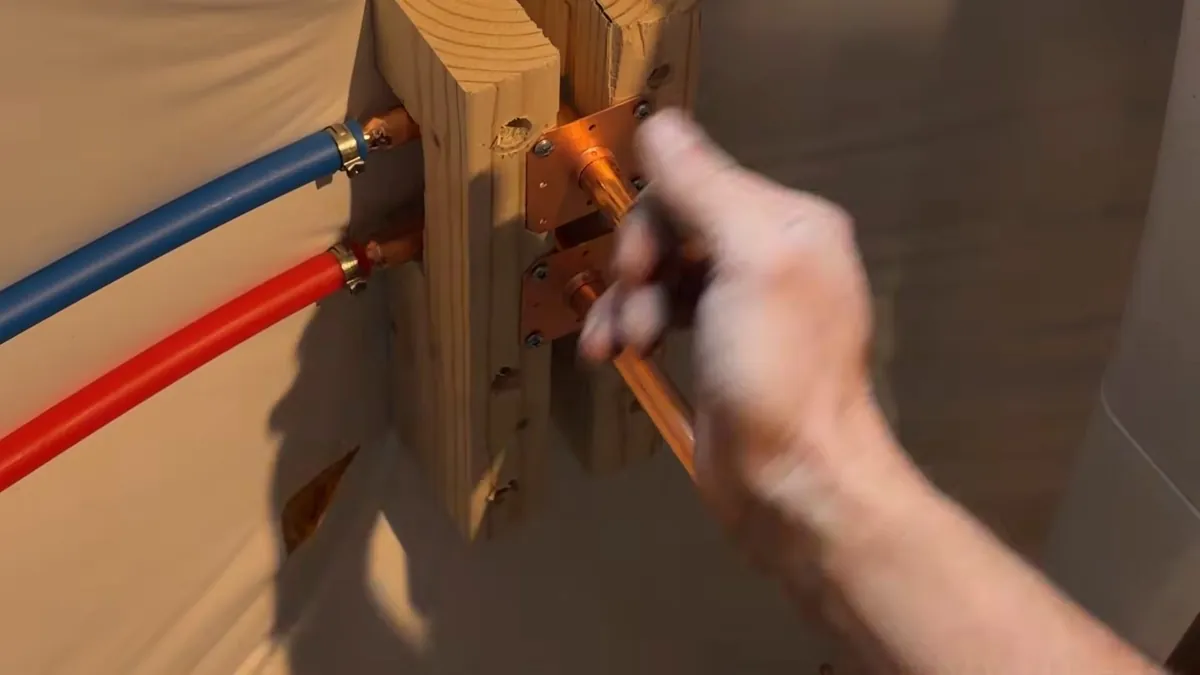
In practice the walls hold copper from the 80s and 90s, PEX on anything later, and PVC waste rather than cast iron. That is an easier starting point than an older market gives you, and it means a bathroom job here rarely turns into an unplanned repipe.
The exception is the pre-1980 core near Main Street, where galvanised supply does still turn up and changes the scope.
How bathroom work gets priced
There is no published band for bathroom plumbing, because the scope varies more than any other job on this site. These are the factors that decide a quote.
| Factor | Why it moves the price |
|---|---|
| Whether the fixture positions change | Reusing existing drains is straightforward. Moving them on a slab means cutting concrete. |
| Access to the pipework | A wall that opens from an adjoining cupboard costs less to work in than one that only opens through new tile. |
| Existing pipe material | Connecting new work to galvanised supply usually means replacing back to a sound point. |
| Number of fixtures involved | A shower swap is one set of connections. A full wet-space refit is several, each tested. |
| Whether venting has to change | A moved fixture often needs a new vent arrangement, which is wall and ceiling work. |
Published bands for the other services, including repiping if a job turns into one, are on the cost page. Bathroom work is quoted per job, in writing, before anything starts.
Bathroom plumbing questions before you book
Do you do full bathroom remodels?
No. We do the wet-space plumbing: pipework, valves, drains, pans and fixture connections. Tiling, cabinetry, plastering and decorating are other trades.
If you are running the project yourself, we slot in at the rough-in stage and again at the fit-out stage, and we will tell your tiler what we need from them.
What will it cost?
Bathroom work is the one service on this site with no published band, because the scope genuinely varies too much for a range to mean anything. The table above lists what actually moves a quote.
The published bands for everything else are on the plumbing cost guide. You get a written figure before work starts either way.
Is a permit needed for bathroom plumbing work?
Swapping a fixture in place usually sits differently from moving drains or changing venting. The city decides which is which, and we have not been able to read its current thresholds directly, so we are not printing them here.
Confirm yours with the city before the job starts. It is a five minute call and it is worth making.
Does this work need a licensed plumber?
Yes, for anything involving supply pipework, drains or venting. Licensing in Texas runs through the Texas State Board of Plumbing Examiners.
This matters more than usual on bathroom work, because most of it gets covered by tile. A fault you cannot see is a fault you cannot easily prove later.
Can you work alongside my builder or tiler?
Yes, and it works best when we are talking to them directly about wall build-up and timing rather than through you.
The two moments that matter are before the walls close, for the pressure and flood test, and after the tiling, for the trim and final connections.
Moving a fixture? Ask about the drain before you commit to a layout.
We do the plumbing, not the tiling. Happy to talk to whoever does.
Related work on this site
A dripping tap or a failed shower valve on its own, with no other work happening, is sink and faucet repair. A toilet that runs or leaks at the base is toilet repair work, a slow bath or shower drain is blocked drain work, and water showing up in the room below a bathroom is worth leak detection work before anything is opened up.
Planning bathroom work?
Ring before the tiler is booked, not after. The plumbing decisions that cost almost nothing early become expensive once the walls are closed.