
High-pressure cleaning, Rowlett TX
Pipe Wall Build-Up Cleared: Hydro Jetting in Rowlett, TX With a Camera Check
A cable cuts a hole through a blockage. A jetter cleans the pipe wall back to its original bore. That difference is the whole reason this is a separate service.
It is the right tool for a line that keeps blocking, and the wrong tool for some pipes entirely. Both halves are below.
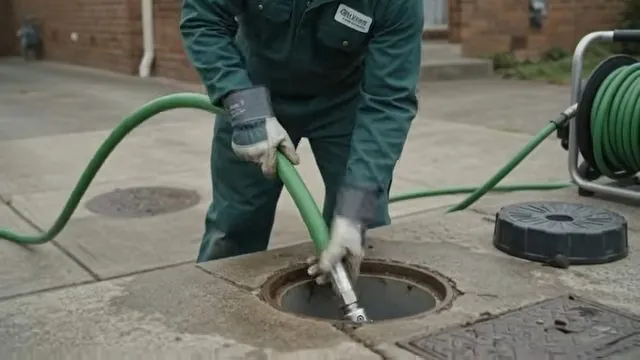
Cable or jetter, and how to tell
Both are the right answer sometimes. Choosing wrong costs you either money or a repeat visit.
| Situation | Cable | Jetter |
|---|---|---|
| One fixture blocked, first time | Yes | Overkill |
| Solid object lodged in the line | Yes | Will not move a solid object |
| Kitchen line blocking every few months | Temporary | Yes, this is the case it exists for |
| Grease coating the pipe wall | Punches through | Removes it |
| Root hair through a joint | Cuts it back | Cuts and clears the debris |
| Scale or mineral buildup | Limited | Yes |
| Before lining a pipe | Not sufficient | Required, the liner needs clean wall |
| Old, thin or already cracked pipe | Safer option | Risk of making it worse |
What grease actually does inside a kitchen line
Fat goes down warm and liquid, then cools along the pipe and sets on the wall. Each time it happens the bore narrows a little more from the outside in.
By the time it blocks, the pipe may be carrying a fraction of its original diameter. A cable through the middle restores flow and leaves the coating in place, which is why the same line blocks again on a predictable cycle.
Jetting scours the wall back, which is why the interval after a proper jetting is measured in years rather than months.
Same line, third time this year? Jetting is probably the answer.
Roots, and why they find Rowlett laterals
Roots do not break into sound pipe. They find an opening that already exists, usually a joint that has moved, and then thicken inside the line where the water is.
Blackland Prairie clay moves seasonally, which is what creates those openings here. Jetting cuts the root mass out and clears it, but it does not close the gap the roots came through.
That is the honest limit of this service. If the camera shows roots, jetting buys you time and a repair fixes the cause, and we will tell you which you are buying.
How a jetting job runs
- Camera the line first. Jetting a pipe nobody has looked at is how a fragile line gets damaged.
- Confirm the pipe material and condition, and check there is a cleanout that gives proper access.
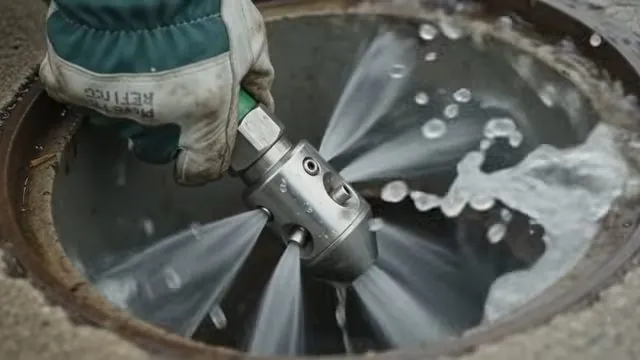
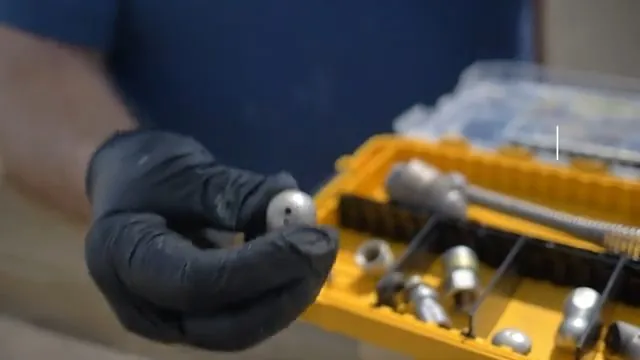
- Select the nozzle for the job. A root-cutting head, a grease-cutting head and a general flushing head are different tools.
- Work the line at the pressure the pipe can take, drawing the hose back so debris is pulled toward the access point rather than driven further in.
- Flush the debris clear rather than leaving it to settle downstream.
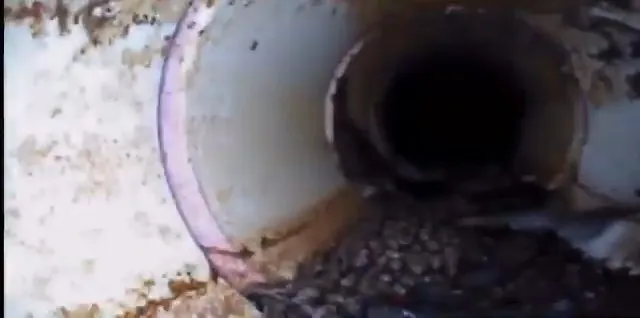
- Camera again and show you the finished pipe wall against the before footage.
When the second pass comes up on the monitor, look for three things: the pipe wall showing its own surface instead of a coat of grease or scale, no roots left standing in the joints, and water running away freely at the cleanout. Ask for both recordings to be compared at the same distance marks, so you are judging the same stretch of pipe.
A belly, meaning a low spot that holds water, or a joint that has shifted will still be there after a clean pass. Clay soil moves lines over the years, and jetting cannot restore a pipe's grade. If standing water returns after a good cleaning, the camera has found a repair question, not a reason to book another jetting visit.
When jetting is the wrong tool
On a pipe that is already cracked, badly corroded or thin, high pressure can turn a line that was working into one that is not. Older cast iron and clay in the pre-1980 core near Main Street is where that caution matters most here.
On a collapsed section there is nothing to clean; that is a repair.
On a line with no accessible cleanout, the access has to be created first rather than jetting through a fixture.
This is the reason for the camera pass first. Anyone willing to jet your line without looking at it is taking a risk with your pipe, not theirs.
What jetting costs here
| Work | Range | What moves it |
|---|---|---|
| Jetting a residential main line | $450 to $950 | Footage of pipe, heavy root penetration against grease buildup, and cleanout access |
| Mechanical snaking, for comparison | $175 to $450 | Cleanout access, and whether the clog is in a branch or the main |
Both are on the job cost guide. The camera pass is part of the job rather than an extra, because it is what makes the jetting safe.
Jetting questions from Rowlett callers
What does hydro jetting cost?
Jetting a main line runs $450 to $950. Footage, whether you are dealing with roots or grease, and cleanout access are what move it.
Mechanical snaking is $175 to $450 for comparison. Both are on the cost guide.
Will jetting damage my pipes?
On sound pipe, no. On pipe that is already cracked, corroded or thin, it can, which is exactly why the camera goes down first.
If the camera shows a line that should not be jetted, we will say so and recommend something else rather than proceeding.
How often should a line be jetted?
For most homes, not on a schedule at all. Jetting is for lines with a demonstrated problem, not routine maintenance.
Properties with mature trees over the lateral or heavy kitchen grease loading are the exception, and annually is reasonable there.
Is this licensed work?
Work on the main line is licensed work in Texas, through the Texas State Board of Plumbing Examiners.
It is also work where equipment in inexperienced hands can do real damage, so the licence is worth checking rather than assuming.
Can I rent a jetter and do it myself?
Rental units exist and they are a long way below professional pressure and nozzle selection, which is mostly a safety margin rather than a limitation.
The bigger issue is working blind. Without the camera pass you do not know what the pipe can take, and that is the part that goes wrong.
Older cast iron? Ask us to camera it before anyone jets it.
Ask to see the before and after footage. It is the point of the job.
Related work on this site
A single blocked fixture rarely needs jetting and is usually drain unblocking. Where the camera shows a fault in the pipe rather than material inside it, that is sewer line replacement, and repairing it without excavation is trenchless relining, which is normally jetted first so the liner bonds properly.
Same drain blocking again?
Tell us how often and which fixtures. A line that blocks on a predictable cycle is telling you something a single clearing will not fix.